
 By Culture Expert
On January 1st, we celebrated. On January 2nd, we observe. In 2026, being “well-traveled” isn’t about miles flown—it’s about Cultural Fluency, the ability to decode the local nuances that an algorithm can’t see.
What Defines the 2026 Cultural Fluency Shift
The 2026 Cultural Fluency Shift marks a turning point in how we understand and engage with culture. This transformation affects businesses, creators, travelers, and communities worldwide. Cultural fluency goes beyond surface-level diversity initiatives or basic translation services. It demands a genuine understanding of lived experiences, regional contexts, and the emotional intelligence that shapes authentic connection.
This shift appears across industries. Marketing teams are rethinking global campaigns. Hospitality brands are redesigning guest experiences. Media organizations are restructuring content strategies. The common thread is recognition that audiences increasingly reject generic, one-size-fits-all approaches.
The Move to “Analog Authenticity”
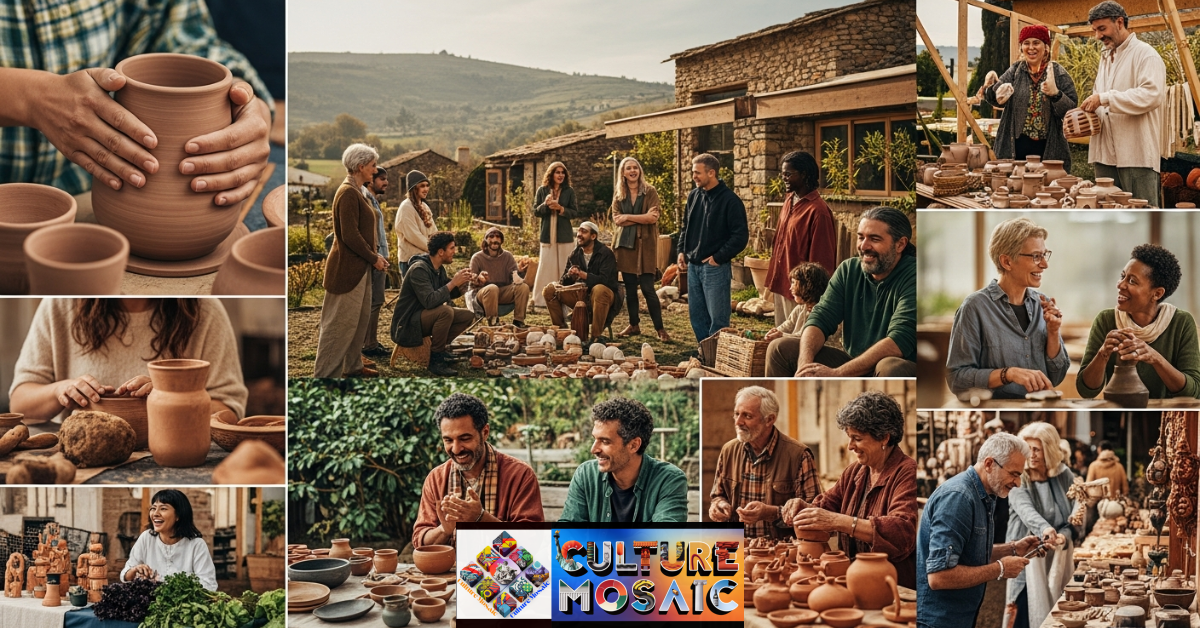
2026 represents the year of the Analog Renaissance. After years of drowning in notifications and algorithm-driven feeds, people are actively seeking cultural insights centered on physical gatherings, local craftsmanship, and unplugged traditions.
Why Physical Spaces Matter Now
Digital distrust is pushing people to share more physical space. Small-town festivals, artisan workshops, and community markets have become cultural hubs where genuine connections happen. This isn’t about rejecting technology completely. It’s about balancing screen time with real-world interaction.
Design trends reflect this movement. Brands are embracing vernacular architecture and regional materials rather than globally generic aesthetics. Hotels are evolving into living spaces that narrate stories through local stone, indigenous woods, and handcrafted textiles. The spaces people inhabit now prioritize emotional resonance over polished perfection.
Brands are leaning into long-form content, analog channels, and hyperlocal community activations to meet audiences where their attention truly lives.
Why “Cultural Intelligence” (CQ) is the 2026 Superpower
Cultural intelligence has emerged as the defining skill for success in 2026. Organizations that develop cultural fluency are building competitive advantages that compound over time.
The Evolution from 2025 to 2026
| 2025 Cultural View | 2026 Cultural Fluency | The Benefit |
|---|---|---|
| Sightseeing | Active Participation | Deeper community connection |
| Digital Nomads | Intentional Residents | Sustainable local impact |
| Generic Translation | Nuanced Context | Avoiding cultural blindspots |
Cultural intelligence in the workplace is no longer an option but a requirement. Leaders who develop CQ can navigate diverse cultural contexts, understand nuanced communication styles, and build bridges across different perspectives. The skill extends beyond international business. It shapes how teams collaborate, how products get designed, and how brands communicate.
Three Pillars of the 2026 Cultural Fluency Shift
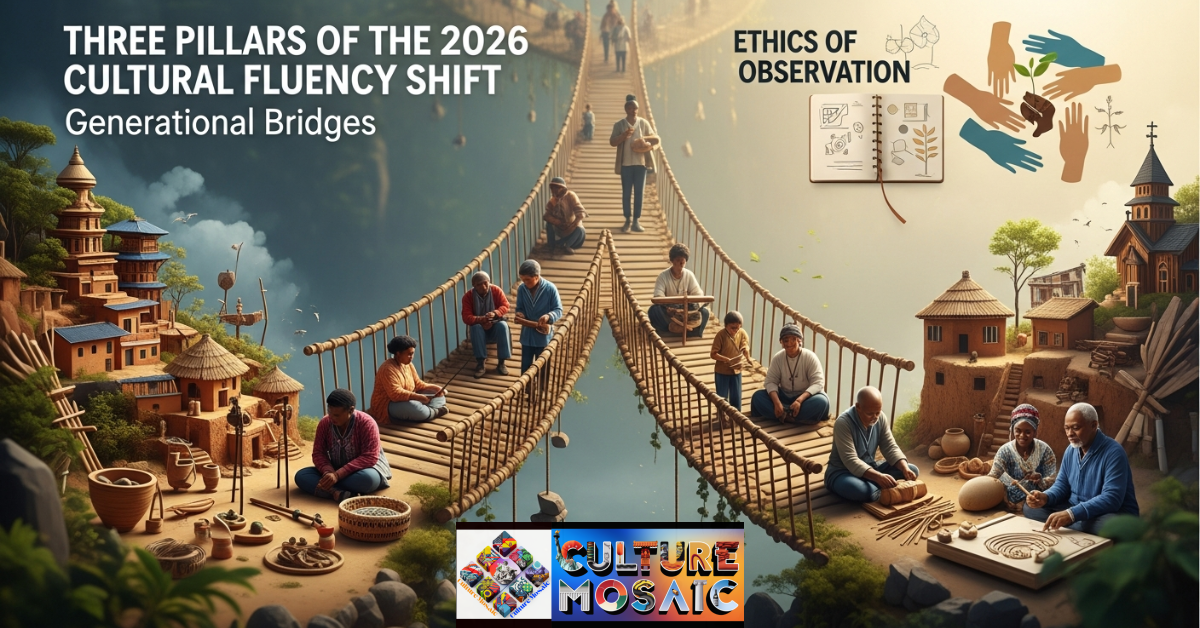
Hyper-Local Heritage: Why the Small Town is the New Global Hub
The 2026 landscape has flipped traditional power structures. Small towns and regional centers are driving trends that once originated exclusively from major cities. Creators from Southeast Asia, Africa, South America, and Eastern Europe are introducing new visual languages that resonate globally.
People find meaning and belonging in their immediate surroundings precisely because they need an anchor away from their fleeting, over-connected, volatile lives. This hyper-localism creates stronger emotional connections because it reflects how people actually live rather than how brands imagine they live.
Local craftsmanship is being celebrated on global stages. Indigenous techniques, regional materials, and community-specific design elements are valued not as exotic curiosities but as authentic expressions of place. The shift rewards businesses that understand local nuances rather than applying broad demographic assumptions.
The Ethics of Observation: How to Document Culture Without Consuming It
Contemporary cultural analysis requires understanding the difference between telling stories with communities versus telling stories about them. The extractive approach, where brands take cultural elements without context or credit, is being rejected by audiences who demand ethical engagement.
Successful cultural documentation in 2026 means collaborating with local talent, respecting authentic voices, and ensuring communities benefit from their own narratives. When brands partner with regional creators and spotlight genuine craftsmanship, the work becomes memorable and builds lasting trust.
Brands will have to prove cultural impact through actual behavior change, brand affinity, earned advocacy, and community growth rather than inflated vanity metrics.
Generational Bridges: How Gen Z and Alphas Are Reclaiming Ancestral Rituals
Younger generations are actively questioning inherited definitions of success and work. Gen Z is openly questioning the grind at all costs mindset that earlier generations were sold. They’re building portfolio careers, prioritizing mental health, and reconnecting with cultural practices that previous generations may have set aside.
This generational shift manifests in how young people engage with tradition. They’re reclaiming ancestral rituals, food practices, and creative expressions while adapting them for modern contexts. The blend of historical roots and contemporary innovation creates rich cultural narratives that feel both familiar and fresh.
Cultural Fluency in Business Strategy
For organizations, cultural fluency has moved from optional to essential. Companies treating multicultural marketing as episodic or expendable are losing relevance rapidly. The business case is compelling: multicultural consumers represent significant buying power and are fiercely loyal to brands they trust.
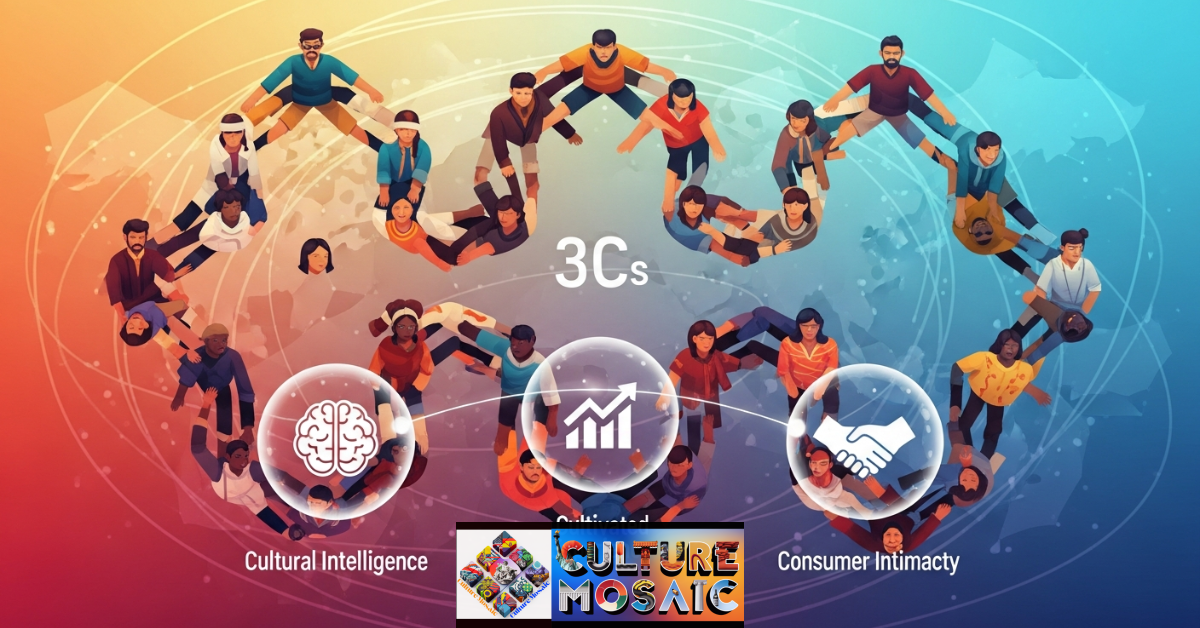
Building the “3Cs” Framework
Cultural fluency requires three core components:
- Cultural Intelligence: Deep understanding of values, beliefs, and the factors driving behavior across diverse segments.
- Cultivated Experience: Ongoing learning, intentional investment, and sustained commitment rather than one-time campaigns.
- Consumer Intimacy: Building relationships based on genuine understanding, not demographic assumptions.
Organizations embedding these principles across all operations are seeing measurable returns in trust and loyalty. The investment pays dividends because cultural fluency is predictive of future purchase intent and brand favorability.
How Media Organizations Are Adapting
Community maxxing in the form of screenless hangs at dance parties and dinners will become the new aesthetic as a direct response to surveillance and the influencer economy. Legacy media outlets that eliminated diversity teams and cultural coverage in 2025 are discovering these cuts undermined their most valuable asset.
The Rise of Community-Based Media
Audiences no longer pay attention to outlets that don’t understand them. Smaller, creator-owned platforms like podcasts, newsletters, and Discord servers excel in building loyalty instead of merely chasing algorithms.
Media organizations succeeding in 2026 are those that translate culture rather than extract from it. They contextualize rather than sensationalize, building content ecosystems rooted in cultural insight and community trust.
The Role of Technology in Cultural Fluency
AI is becoming a creative partner in 2026, not a replacement for human judgment. The smartest brands will use AI to spot micro-trends before they break, including emerging aesthetics, subcultures, creator communities, and sentiment shifts.
Balancing Automation with Authenticity
Technology can accelerate work, but cannot replace trust, context, or accountability. Organizations must use AI with guardrails that preserve cultural sensitivity. AI handles volume while humans provide cultural intelligence. The winning formula combines AI efficiency with professional linguists for creative adaptation and quality assurance.
Platform algorithms are becoming more emotionally intelligent, tracking attention patterns beyond simple likes or comments. For marketers, this means traditional engagement tricks no longer work. Audiences respond to content that feels personal, culturally grounded, and emotionally resonant.
Practical Applications Across Industries
Travel and Hospitality
Travelers are eager to engage with new cultures through their travel experiences, from food and wine festivals to religious pilgrimages and music festivals. Hotels are becoming living environments that tell stories rather than polished backdrops. Travelers in 2026 seek spaces that combine cultural depth with emotional restoration.
Responsible travel has shifted from a niche preference to a necessity. Tourists prioritize sustainable tourism and meaningful cultural exchange over consumption-driven experiences. Approximately 62% of global travelers intentionally incorporate cultural elements into their travel planning, while around 54% focus on destinations that provide authentic cultural experiences.
Retail and Consumer Goods
Status signaling has evolved from logos to cultural literacy. Quiet luxury functions as a social signal of insider knowledge, where status comes from where you went, what you accessed, and what you know, rather than what you wore.
Retail winners are creating immersive category worlds rather than transactional stores. They turn product categories into identity-driven experiences that reflect cultural values. The shift rewards businesses that demonstrate consistent cultural understanding rather than episodic engagement.
Marketing and Communications
The loudest voice is no longer the most trusted. Consistency, authenticity, and community matter more than raw numbers. Brands must prove cultural impact through actual behavior rather than inflated impressions.
Localization has become decisive. Local search behavior differs drastically, with Germans searching differently from Americans, and cultural search intent varies significantly across markets. Although global aesthetics continue to capture attention, it is the authenticity of regional cultures that inspires action.
Measuring Cultural Fluency Success
Traditional vanity metrics are being replaced by more meaningful indicators. Organizations now track cultural impact through sentiment trends, conversation quality, credibility ratios, and community growth rather than just reach and impressions.
Cultural fluency influences future purchase intentions and preferences for brands. Research consistently shows that brands demonstrating sustained cultural understanding outperform competitors in both retention and lifetime value. Cultural relevance is now built through proximity, authenticity, and adaptability rather than scale alone.
The Financial Imperative
Cultural fluency isn’t just morally important—it’s financially critical. Multicultural markets represent trillions in buying power globally. These communities are fiercely loyal to brands they trust and quick to spot performative gestures.
More than 85% of multicultural consumers say culture defines who they are and shapes daily life. Their cultural lens informs values, behaviors, media choices, and family dynamics. Brands that invest in genuine understanding beyond demographics are positioned to interpret needs, build trust, and drive sustainable growth.
Challenges and Pitfalls to Avoid
Organizations must avoid several common mistakes when building cultural fluency:
- Spray-and-Pray Approaches: Generic campaigns with no authentic connection.
- Slogan-Heavy Purpose Campaigns: Messages that look good but say nothing meaningful.
- Outdated Vanity Metrics: Prioritizing impressions over genuine engagement.
- Episodic Engagement: Showing up only during heritage months or trending moments.
- Translation Without Context: Converting language without understanding cultural meaning.
The most damaging mistake is treating cultural fluency as a trend rather than a core business capability. Organizations that retreat to safe, generalized approaches during economic pressure are moving in the wrong direction.
Looking Forward: The Future of Cultural Fluency
In 2026, those who grasp where attention is shifting will be rewarded, rather than focusing on where it has been. Value is concentrated around narrative control, cultural fluency, and the ability to manufacture demand rather than just respond to it.
Cultural fluency will continue evolving beyond 2026. The organizations building this capability now are creating competitive advantages that compound over time. They’re earning permission rather than assuming it, demonstrating respect rather than extracting value.
Power is shifting from institutions to individuals, niche markets, and emerging economies. The winners won’t be the loudest or the biggest—they’ll be the most intentional and culturally fluent.
Conclusion
The 2026 Cultural Fluency Shift represents more than a trend—it’s a fundamental realignment of how we understand connection, trust, and authenticity. Whether you’re leading a business, creating content, designing spaces, or building communities, cultural fluency is your pathway to relevance.
This shift rewards those who move at the speed of their audience, build real community, and create work that feels alive. The next era isn’t about louder—it’s about deeper, more meaningful, and genuinely connected.
Culture didn’t pause. Consumers didn’t either. The question isn’t whether to develop cultural fluency—it’s how quickly you can begin.
FAQs About The 2026 Cultural Fluency Shift
Q: What exactly is the 2026 Cultural Fluency Shift?
A: The 2026 Cultural Fluency Shift is a fundamental change in how people, organizations, and brands understand and engage with culture. It moves beyond surface-level diversity initiatives to demand authentic understanding, sustained engagement, and genuine relationships with diverse communities. This shift affects everything from business strategy to travel, emphasizing hyper-localism, analog authenticity, and cultural intelligence.
Q: How does cultural intelligence differ from cultural awareness?
A: Cultural awareness means recognizing that differences exist. Cultural intelligence means having the skill to navigate those differences effectively. It involves understanding nuanced communication styles, interpreting context correctly, and adapting your approach based on cultural factors. In 2026, cultural intelligence is the ability to decode local nuances that algorithms can’t see and build bridges across different perspectives.
Q: Why is hyper-localism becoming more important in 2026?
A: Hyper-localism is rising because people are seeking authentic connections and meaningful belonging in their immediate surroundings. After years of digital saturation and globalization, audiences are rejecting generic experiences in favor of regional narratives that reflect how they actually live. Small towns and local communities are driving cultural trends, and brands that understand local nuances are building stronger emotional connections than those applying broad demographic assumptions.
Q: Can small businesses develop cultural fluency without large budgets?
A: Yes. Cultural fluency begins with listening, learning, and building genuine relationships with communities. Small businesses can partner with local creators, engage authentically on community platforms, and demonstrate consistent understanding without requiring massive marketing budgets. The key is sustained commitment rather than one-time campaigns, and prioritizing quality of connection over quantity of reach.
Q: What’s the biggest mistake organizations make when trying to be culturally fluent?
A: The biggest mistake is treating cultural fluency as a temporary campaign or trend rather than an ongoing commitment. Organizations fail when they engage episodically (only during heritage months), rely on stereotypes, translate without understanding context, or prioritize vanity metrics over genuine engagement. Authenticity requires sustained investment, willingness to listen and adapt, and embedding cultural intelligence across all operations rather than isolating it to marketing departments.