
 By Culture Expert
Introduction
Imagine a world where everyone enjoys the same freedoms and rights, regardless of their background. Sounds ideal, right? That’s the vision behind Human Rights Day 2024. Observed every year on December 10th, it reminds us of the fundamental rights we all share and the need to protect them. Let’s dive into its history, significance, and how you can join the global celebration.
1. What is Human Rights Day?

Human Rights Day is celebrated annually on December 10th to honor the adoption of the Universal Declaration of Human Rights (UDHR) in 1948. It’s a day to reflect on the rights and freedoms that belong to every person, regardless of their race, religion, gender, or nationality.
2. History and Origins of Human Rights Day
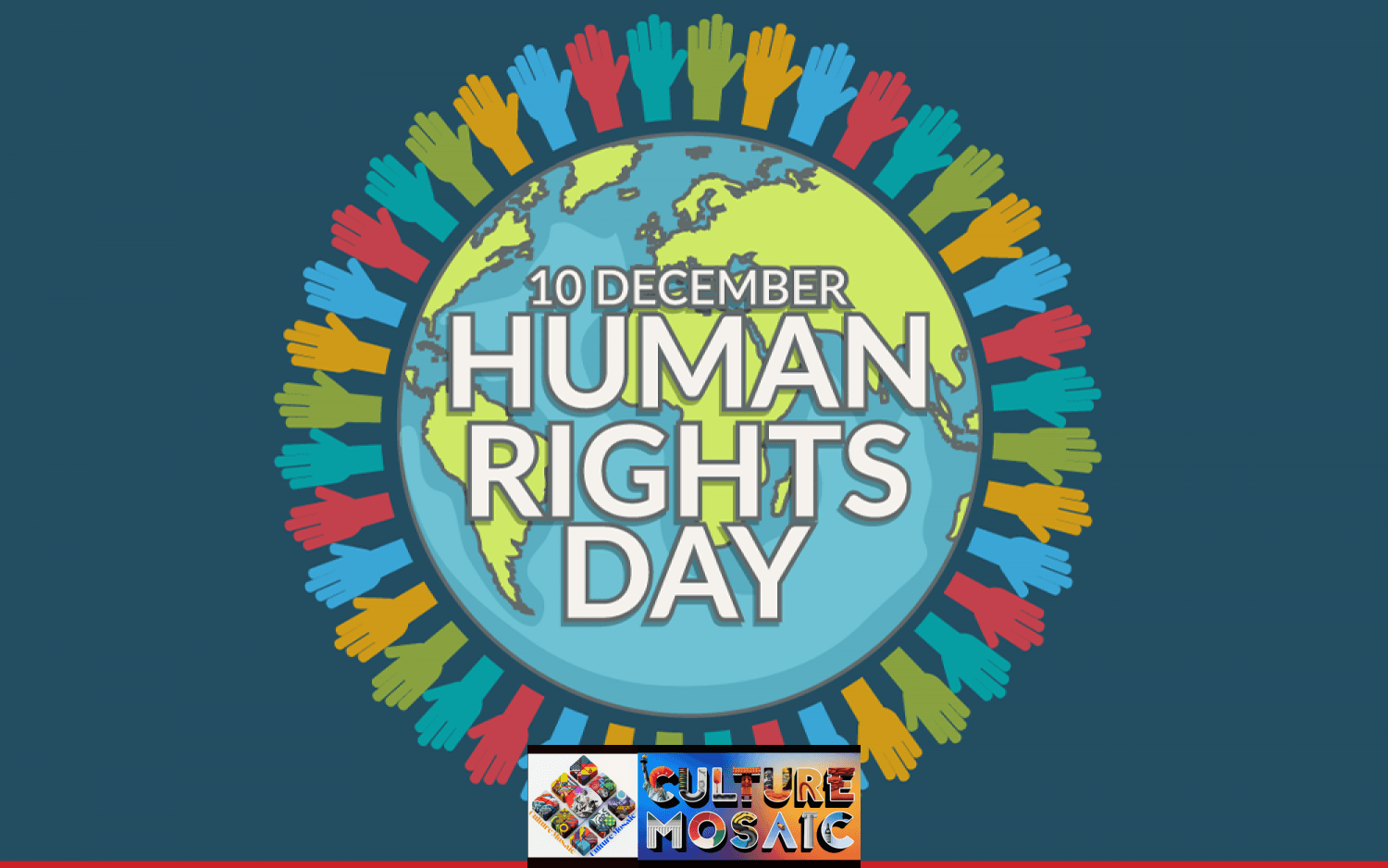
The United Nations General Assembly proclaimed December 10th as Human Rights Day to commemorate the adoption of the UDHR. This declaration marked the first global recognition of inherent human rights, setting a precedent for international law and policy.
3. The Universal Declaration of Human Rights (UDHR)

The UDHR is a landmark document that outlines 30 fundamental rights, such as the right to life, freedom of speech, and equality before the law. It’s often referred to as a “blueprint for freedom” and has inspired numerous constitutions and human rights treaties worldwide.
4. Human Rights Day 2024 Theme

Each year, Human Rights Day focuses on a specific theme. The 2024 theme emphasizes “Digital Equality: Bridging Gaps in Human Rights,” addressing the challenges and opportunities presented by digital advancements.
5. Why is Human Rights Day Important?
Why should we care about Human Rights Day? Because it highlights the ongoing fight against discrimination, inequality, and oppression. It reminds us that human rights are not just ideals but the foundation of justice and peace.
6. How is Human Rights Day Celebrated Globally?
Celebrations vary worldwide, from conferences and cultural events to online campaigns and art exhibitions. For instance, countries hold public forums, light iconic landmarks, and organize educational workshops to spread awareness.
7. The Role of Technology in Promoting Human Rights
Technology has become a double-edged sword in the fight for human rights. On the one hand, it amplifies voices and enables activism. On the other, it raises concerns about privacy and cyber oppression. Striking a balance is key to ensuring digital tools uphold human rights.
8. Challenges to Human Rights in 2024
Human rights face significant hurdles, including:
- Economic Inequality: Widening gaps between the rich and poor.
- Conflict and War: Ongoing crises displacing millions.
- Climate Change: Environmental degradation affecting vulnerable communities.
- Digital Divide: Limited access to technology in developing regions.
9. How You Can Participate in Human Rights Day 2024
You don’t need to be an activist to make a difference. Here are some simple ways to get involved:
- Attend Events: Join local seminars or online webinars.
- Raise Awareness: Share information on social media using hashtags like #HumanRightsDay2024.
- Volunteer: Support organizations advocating for human rights.
- Educate Yourself and Others: Learn about the UDHR and its implications.
10. Inspiring Stories of Human Rights Activists
From Malala Yousafzai advocating for girls’ education to Nelson Mandela’s fight against apartheid, human rights activists inspire us to act with courage and resilience. Their stories remind us that change starts with one voice.
11. Human Rights in the Digital Age
The digital era has transformed the way we view and protect rights. Issues like data privacy, online harassment, and AI ethics are now central to human rights discussions.
12. Education and Awareness: Key to Change
Knowledge is power. Schools, universities, and communities play a crucial role in spreading awareness about human rights. Workshops, campaigns, and storytelling can ignite empathy and action among individuals.
13. What Can Governments and Organizations Do?
Governments and institutions must:
- Enforce Laws: Strengthen legal frameworks for protecting rights.
- Promote Inclusivity: Ensure equal opportunities for all citizens.
- Collaborate Globally: Address cross-border issues like climate change and digital equity.
14. How to Teach Children About Human Rights
Children are the future, and teaching them about human rights is essential. Use age-appropriate stories, activities, and discussions to instill values of equality and justice.
15. Looking Forward: The Future of Human Rights
What does the future hold? While challenges persist, there’s hope. Global cooperation, technological innovation, and a growing awareness among younger generations promise a brighter future for human rights.
Conclusion
Human Rights Day 2024 is more than a date on the calendar; it’s a call to action. It’s a reminder that we all have a role in shaping a world where everyone’s rights are respected. Whether through education, advocacy, or small acts of kindness, every effort counts. Let’s stand together for equality, freedom, and dignity for all.
FAQs
1. What is the theme for Human Rights Day 2024? The 2024 theme is “Digital Equality: Bridging Gaps in Human Rights,” focusing on addressing challenges and opportunities in the digital age.
2. Why is Human Rights Day celebrated on December 10th? It marks the anniversary of the Universal Declaration of Human Rights, adopted by the United Nations on December 10, 1948.
3. How can I get involved in Human Rights Day 2024? You can attend events, raise awareness online, volunteer with advocacy groups, or educate yourself and others about human rights.
4. What are some key human rights outlined in the UDHR? The UDHR includes rights like freedom of speech, equality before the law, the right to education, and the right to life and liberty.
5. How does technology impact human rights? While technology amplifies advocacy and awareness, it also raises concerns about privacy, cybercrime, and access disparities, highlighting the need for digital equality.