
 By Culture Expert
My grandmother kept her pickle crock in the corner of the cellar, next to the preserves. I remember being maybe seven years old, watching her lift that heavy ceramic lid, the smell of dill and garlic hitting me like a wave. She’d fish out a pickle with her bare hands, bite into it, and nod. “Another week,” she’d say. No thermometer. No pH strips. Just sixty years of knowing.
That’s what we’ve lost with our modern shortcuts, and it’s what heritage pickle crocks bring back.
At a Glance: Heritage Pickle Crocks vs. Modern Containers
| Feature | Heritage Stone Crock | Standard Glass Jar | Why It Matters |
| Light Blockage | 🌑 100% Total Blackout | ☀️ 0% (High Exposure) | UV light destroys Vitamins C & B. |
| Temp. Stability | 🌡️ High Thermal Mass | 📉 Low (Swings 10°+) | Stable temps prevent “mushy” pickles. |
| Seal Type | 💨 Natural CO2 Valve | ✋ Manual Burping | Constant burping risks oxygen exposure. |
| Longevity | 🏺 Multi-generational | ♻️ Fragile / Disposable | Stone is an heirloom; glass is a utility. |
| Bacterial Memory | 🧬 Builds Over Time | 🧼 Resets Each Batch | Seasoned stone makes fermenting easier. |
| Flavor Profile | 🎨 Deep & Earthy | 🍋 Sharp & Acidic | Stone creates a “rounded” umami finish. |
Beyond Plastic: The Soul of the Heritage Pickle Crocks
Look, I’m not one of those people who thinks everything old is automatically better. I own a microwave. I use my phone to look up recipes. But when it comes to fermentation, our ancestors had it figured out in ways we’re only now starting to understand again.
Stoneware crocks aren’t just romantic relics. They work better. The ceramic is slightly porous, which sounds like a problem until you understand what’s happening. That porosity lets carbon dioxide out while the weight and water seal keep oxygen away from your vegetables. It’s a one-way valve that doesn’t need batteries or replacement parts.
And the temperature thing? This matters more than most home fermenters realize. I’ve tested this in my own kitchen. Glass jars swing 10-15 degrees over a day just from sunlight and normal temperature changes. A good thick-walled crock? Maybe 2-3 degrees. Your bacteria aren’t stressed. Your fermentation is steady. Your pickles turn out right.
The stone also builds up what I call fermentation memory. After a few batches, beneficial bacteria colonize the microscopic surface. Each batch gets a little easier, a little more predictable. You can’t get that from bleaching a glass jar between uses.
5 Proven Ways to Use Your Crock for Ritualistic Flavor
The Stone Selection: What to Look For
I own four heritage pickle crocks. Two are salt-glazed antiques from Ohio, one is a modern reproduction from a potter in North Carolina, and one is a German import with a water seal. They all work, but they work differently.
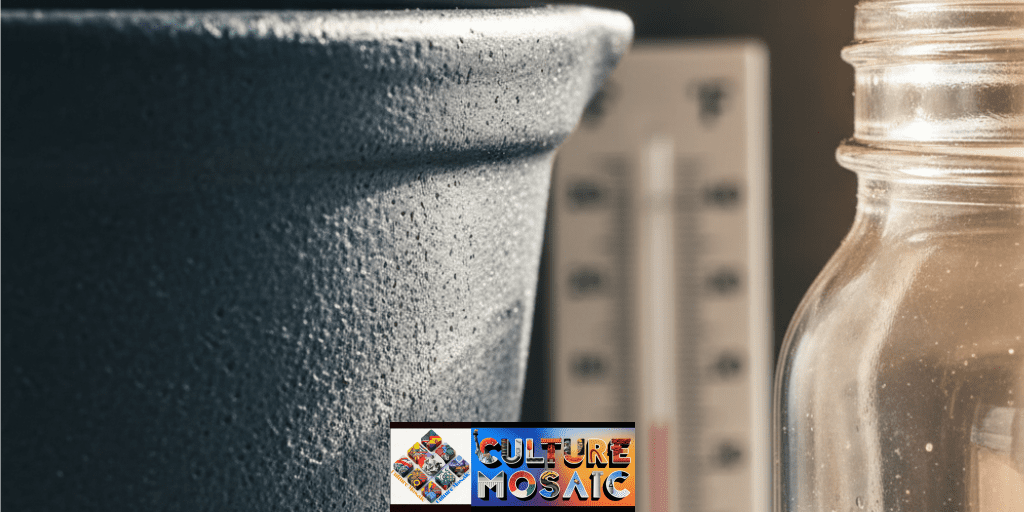
Salt-glazed crocks have that distinctive orange-peel texture and blue-gray color. The salt glaze makes them non-porous enough to hold brine while keeping the thermal benefits of stoneware. If you’re buying vintage, check for cracks by filling with water and watching for seepage. Even hairline cracks can harbor bacteria in bad ways.
Here’s what I tell people: if you can’t verify an antique crock is lead-free, don’t ferment in it. Display it, sure. But vintage glazes are tricky. I had a beautiful 1920s crock test positive for lead. Broke my heart, but I wasn’t going to poison my family for authenticity points.
Modern reproductions give you the real deal without the worry. Ohio Stoneware still makes traditional crocks in Zanesville using methods from the 1800s. Companies like Gardener’s Supply and Humble House Foods import quality German fermentation crocks with water seals. These manufacturers use the same traditional techniques but with lead-free glazes certified for food safety.
The Brine Ritual: Getting the Chemistry Right
I’m going to say something that might sound precious: water matters. Not because of mystical energy or whatever, but because chlorine kills bacteria. That’s literally its job in municipal water systems. If you’re trying to culture lactobacillus, chlorine is your enemy.
Pour tap water into a pitcher and leave it overnight. The chlorine evaporates. Or use a simple carbon filter. When I’m doing a big batch, I’ll actually fill the crock with water the day before, let it sit, then pour it out and make my brine. The stone gets conditioned and the water gets de-chlorinated.
For salt, skip anything with iodine or anti-caking agents. I use Diamond Crystal kosher salt because it’s pure and dissolves easily. Sea salt works great, too. The standard ratio is about 3 tablespoons per quart of water, but honestly? Taste your brine. It should taste pleasantly salty, like seawater. Too little salt and you get mush. Too much and fermentation slows to a crawl.
The Weighted Seal: No Shortcuts Here
Every heritage pickle crock I’ve seen came with weights or had them nearby. There’s a reason. Vegetables float. Floated vegetables contact oxygen. Oxygen makes them slimy and gross.
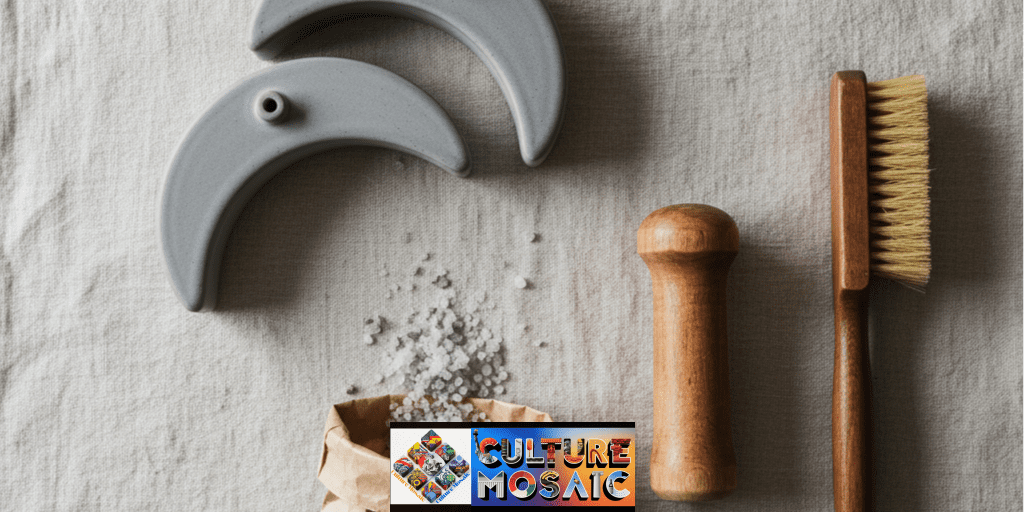
I’ve tried the plastic bag trick. I’ve tried plates. I’ve tried improvising with cleaned rocks. None of it works as well as proper ceramic weights that fit your crock. The weight needs to be heavy enough to keep everything submerged but not so heavy it crushes your vegetables into paste.
If your crock didn’t include weights, measure the interior diameter and buy weights that fit. This isn’t an optional accessory. It’s like buying a car and deciding you don’t need tires because you can probably just use roller skates.
The Cellar Climate: Temperature Troubleshooting
My grandmother’s cellar stayed between 58-62°F year-round. That’s perfect. I live in an apartment with central heating. That’s not perfect.
I’ve had to get creative. My coolest spot is a closet on the north side of the building. In summer, I’ve fermented in a cooler with frozen water bottles, so I swap twice a day. Pain in the neck, but it works. A friend in Arizona ferments in his garage in winter and basically takes a season off in summer.
The ideal range is 55-65°F. Colder than that and you’re waiting forever. Warmer and things move too fast, creating harsh flavors and soft texture. I’ve made the mistake of fermenting at 75°F. The pickles were edible, but they weren’t good. Sour without complexity. Soft instead of crisp.
Find the coolest stable spot you have. Basements, crawl spaces, unheated mudrooms, even under the kitchen sink if it stays cool. Once you find it, stick with it. Consistency beats perfection.
The Living Harvest: When to Stop
This is where experience matters and where I can’t give you a perfect timeline. I start checking at one week. Usually I’m tasting by day 10. Sometimes I’m pulling pickles at two weeks. Sometimes I let them go four weeks.
What am I looking for? The crunch first. Press a pickle between your fingers. It shouldn’t be difficult, but it should be resistant. Then taste. Early fermentation is bright and tangy. Longer fermentation develops depth, almost savory notes underneath the acid.
You’ll see white scum on top sometimes. That’s kahm yeast. Harmless, but skim it off because it tastes weird. The brine will cloud up as fermentation progresses. That’s normal. When bubbles stop rising when you jostle the crock, fermentation is slowing down.
I usually pull pickles when they taste right to me, then transfer them to the fridge in glass jars. Cold storage doesn’t stop fermentation completely but it slows it way down. They’ll keep for months.
Why Your Ancestors Used Stone (and You Should Too)
I teach fermentation workshops, and someone always asks why we can’t just use glass jars. You can. People do. But you’re giving up advantages that our great-grandparents built into their process.
Light degrades nutrients. Riboflavin, vitamin C, folate—all damaged by UV exposure. Stone crocks create complete darkness. Glass jars sitting on your counter? They’re getting hit with light constantly, even if they’re not in direct sun.
Temperature stability I’ve already covered, but it’s worth repeating. Stone holds steady. Glass doesn’t. That stability means more consistent results batch after batch.
And look, there’s the aesthetic thing too. A heritage pickle crock sitting on your counter is a conversation piece. It connects you to food traditions going back centuries. A glass jar is just a glass jar. I’m not saying aesthetics matter more than function, but when something works better AND looks better? That’s a win.
The flavor difference is real but subtle. Stone-fermented pickles have this earthy undertone that’s hard to describe. They taste more complete, more rounded. Glass jar pickles can taste sharp and one-dimensional in comparison. Some of that might be temperature stability, some might be the stone itself. I don’t have a lab to test it scientifically, but my taste buds know what they prefer.
Global Crock Traditions to Explore
German Sauerkraut Pots
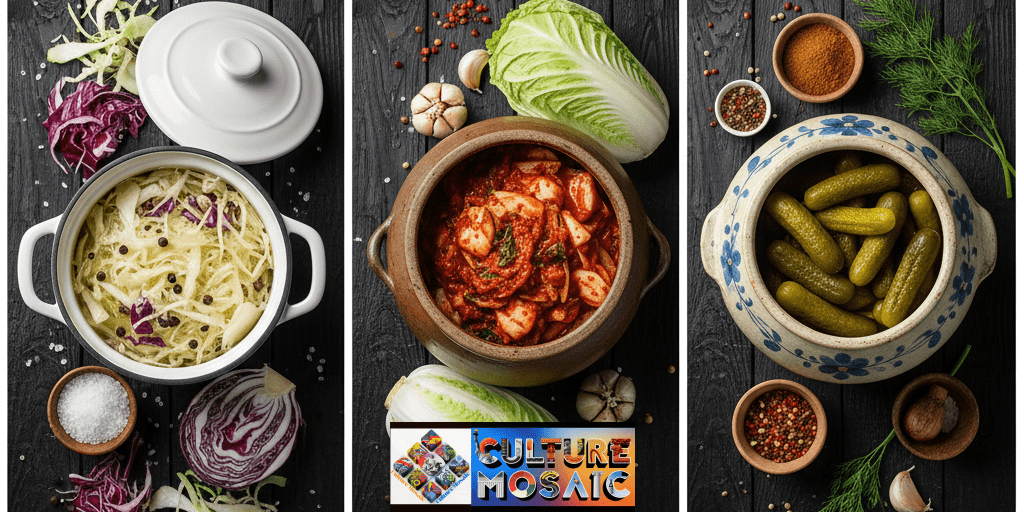
I bought a German fermenting crock from TSM Products five years ago and it changed my sauerkraut game completely. The water-seal design is brilliant. You pack your cabbage, set the weights, place the lid, and fill the rim channel with water. As fermentation produces carbon dioxide, it bubbles out through the water. Oxygen can’t get back in.
The result? No skimming required. No kahm yeast. Just set it and forget it for 4-6 weeks. The sauerkraut comes out clean and complex with none of the surface contamination you sometimes get with open crocks.
Traditional German potteries like those in the Westerwald region have been making these crocks since the 1700s. The techniques haven’t changed because they don’t need to.
Asian Fermentation Jars
Korean kimchi crocks (onggi) are traditionally made from unglazed clay. The porosity is intentional and more pronounced than Western stoneware. The pots “breathe” more aggressively, which works for kimchi’s particular fermentation needs.
Chinese pickling jars often have these beautiful celadon glazes and wide mouths. They’re designed for everything from pickled vegetables to fermented tofu. The aesthetic tradition here is incredible—jars that are functional tools but also works of art.
American Salt-Glazed Crocks
The classic American pickle crock with blue cobalt decorations is what most people picture. These were working vessels made by the thousands in Ohio, Pennsylvania, and other pottery centers. The decorations weren’t just pretty—they identified the maker and the size.
Historical potteries like Robinson Ransbottom in Roseville, Ohio, and the Red Wing Stoneware Company in Minnesota created some of the most recognizable American crocks. While Red Wing stopped production decades ago, Ohio Stoneware continues the tradition in the same region where American stoneware began.
I love that these were democratic tools. Rich and poor households both used them. A farmer’s wife used the same basic technology as a wealthy city dweller. The crocks might be different sizes or fancier decorations, but the function was identical.
Caring for Your Heritage Treasure
Cleaning Antique Crocks
Never, ever use soap inside a crock you’re using for fermentation. The stone absorbs it. You’ll taste it in your next batch. Ask me how I know.
Hot water and elbow grease. That’s it. For stubborn buildup, baking soda makes a gentle abrasive paste. Really stubborn stains? Let it sit with a baking soda and water solution overnight. The next day, scrub with a stiff brush.
Between batches, I rinse thoroughly, scrub if needed, and let the crock air dry completely upside down. The sun is actually great for this—UV light kills surface bacteria. Then I store it in a cool, dry place until next time.
Understanding Brine Film: Heritage Pickle Crocks
That white film freaks people out the first time they see it. It’s just kahm yeast, which is everywhere in the environment. It’s not dangerous. It won’t hurt you. But it does create off-flavors if you ignore it.
I check my crocks every few days and skim any film that’s forming. A clean spoon, a quick swipe, done. If you stay on top of it, kahm yeast never becomes a real problem.
Beyond Pickles: Expanding Your Repertoire
I use my heritage pickle crocks for sauerkraut, kimchi, preserved lemons, fermented hot sauce, pickled green beans, and half-sour pickles. The same principles apply across the board: submerge in brine, weight it down, keep it cool, wait.
Green tomatoes at the end of summer? Into the crock. Too many radishes? Fermented radishes are incredible. The versatility of these crocks is one of their best features. One tool, dozens of applications.
Join the Preservation Movement
I started fermenting because I wanted better food. I kept fermenting because I realized I was participating in something bigger. Every batch in my heritage pickle crocks connects me to my grandmother, to her grandmother, to people I’ll never know who figured this out through trial and error.
There’s something genuinely radical about making food that doesn’t need refrigeration, that improves your gut health, that tastes better than anything you can buy. Industrial food wants you dependent. Fermentation makes you capable.
Your heritage pickle crock isn’t just a tool. It’s a declaration that you’re opting out of the industrial food system in this one small way. You’re choosing to make something yourself, using techniques that have worked for thousands of years, creating food that’s genuinely good for you.
Start with cucumbers. Move on to cabbage. Get confident with the process. Pretty soon you’ll be the person your friends call when they have too many vegetables and don’t know what to do with them. You’ll be the person who brings actually good pickles to potlucks. You’ll be continuing something that matters.
Frequently Asked Questions About Heritage Pickle Crocks
Q: Do I clean an antique heritage crock safely?
A: Hot water and a stiff brush only. Never use soap—the porous stone absorbs it and will taint future batches. For tough stains, make a paste with baking soda and water, let it sit, then scrub.
Q: Is the white film on my brine dangerous?
A: That’s kahm yeast, and it’s harmless. It won’t make you sick, but it can create off-flavors. Just skim it off every few days with a clean spoon and make sure your vegetables stay submerged.
Q: Can I use a crock for things other than pickles?
A: Absolutely. I use mine for sauerkraut, kimchi, preserved lemons, fermented peppers, pickled beans, and green tomatoes. Any vegetable fermentation works in a heritage crock.
Q: What size crock should I start with?
A: A 2-gallon crock is perfect for beginners. It holds enough for a decent batch (about 10-12 pounds of vegetables) without being overwhelming. You can always get a bigger one later.
Q: Do I need an antique crock or will a reproduction work?
A: Reproductions work just as well and you don’t have to worry about lead in the glaze. I use both antique and modern crocks interchangeably. Function matters more than age.
“Where to find quality crocks: If you aren’t hunting for antiques, I highly recommend modern masters like Ohio Stoneware
for classic American styles or TSM Products
for high-end German water-seal crocks. For those seeking the legendary RRP patterns, Robinson Ransbottom remains the gold standard for historical research.”
About the Author: Marcus Chen is a culinary historian dedicated to preserving pre-industrial food traditions.