
 By Culture Expert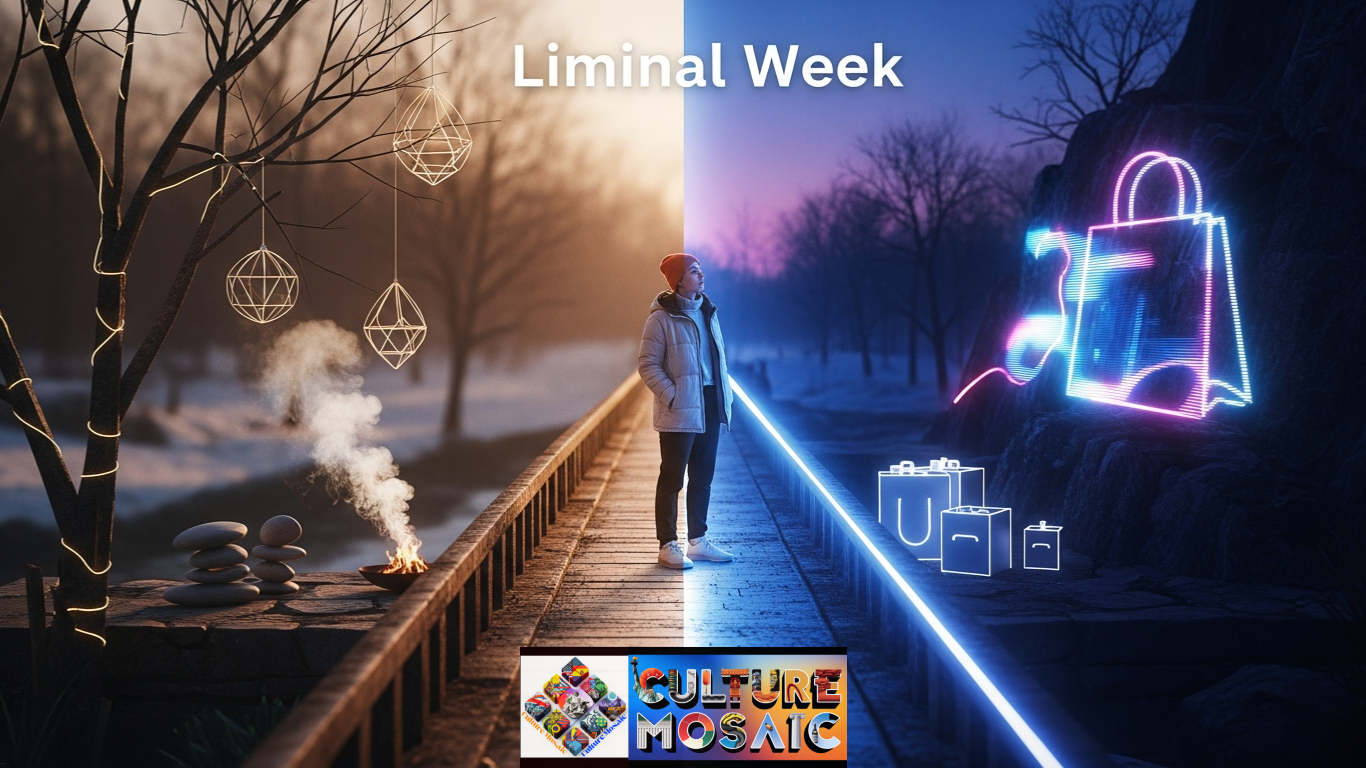
What Is Liminal Week and Why Does It Matter in 2026?
Liminal week is the strange, suspended period between December 25th and January 1st when normal life pauses. You’ve probably felt it: the odd sense that time doesn’t work the same way, that you exist somewhere outside your regular schedule, floating between the year that’s ending and the one that hasn’t quite started.
As we approach the end of 2025, this concept has moved from psychology textbooks into mainstream culture. People are finally naming what they’ve always felt during these final December days. The term “liminal” describes threshold spaces, and this week perfectly captures that in-between sensation.
The Rise of Liminal Week as a Cultural Moment

In 2026, the liminal week has become more than just a quirky name for leftover holiday time. It’s evolved into a recognized cultural phase with its own expectations, rituals, and ways of being. Social media is filled with people acknowledging the weirdness of these days, creating a shared understanding that this time is meant to feel different.
This shift matters because it permits us to experience these days without guilt. You’re not lazy for losing track of what day it is. You’re not unproductive for abandoning your routine. You’re in a liminal week, and that’s exactly how it’s supposed to feel.
How Liminal Week Disrupts Our Normal Patterns
The liminal week works its magic by removing almost every structure we use to organize our lives. Work disappears for most people, either through official closures or the understanding that nothing important happens this week. Social obligations become optional and spontaneous rather than planned weeks in advance.
Even basic time markers vanish. Breakfast might happen at 2 PM. You might find yourself awake at 3 AM, not because you can’t sleep, but because sleep schedules simply don’t apply right now. Your brain keeps wondering, “What day is it?” because these days refuse to be categorized normally.
Secular Winter Rituals: Beyond Religious Traditions

For people who don’t celebrate Christmas religiously, liminal week has created space for new secular traditions. Winter light festivals have exploded in popularity across major cities, offering spectacular displays that have nothing to do with any specific holiday. Whether you’re visiting a major metropolitan winter festival or a local light display near you, these illuminated experiences provide meaning during a time that might otherwise feel empty.
Nature-based rituals are also growing. Winter solstice celebrations, forest bathing in cold weather, and “last sunset of the year” gatherings give people ways to mark this transitional time without a religious framework. These rituals acknowledge the season’s natural rhythm rather than any particular faith tradition.
Boxing Day Culture: The Inventory Reset Revolution

Boxing Day in 2026 has transformed into something its creators never imagined. What started as a British tradition of giving boxes to servants has become the launch of what retailers call the “Inventory Reset.” But here’s what makes 2026 different: the cultural conversation has shifted dramatically.
People are no longer approaching post-holiday shopping as mindless consumption. Instead, liminal week shopping has become a cleansing ritual for the home. The focus is on buying better, not more. This means replacing items that are worn out, upgrading essentials that you’ve been tolerating, and being intentional about what crosses your threshold in the new year.
This reframing turns retail therapy from a guilty pleasure into a genuine cultural practice. You’re not simply purchasing items just because they are discounted. You’re using liminal week to evaluate what serves you and what doesn’t, then making strategic decisions about your space and possessions.
The Psychology of Threshold Time
Why does liminal week affect us so deeply? Psychologically, humans struggle with ambiguity. We like clear categories: work time versus leisure time, weekday versus weekend, one year versus another. Liminal week refuses these categories entirely.
This creates both opportunity and discomfort. The opportunity comes from being temporarily freed from your usual identity and obligations. You’re not quite the person you were in 2025, but you haven’t committed to who you’ll be in 2026. That space allows for reflection and possibility that’s harder to access during normal times.
The discomfort comes from the same source. Without clear boundaries, some people feel unmoored and anxious. They want to rush through liminal week and get back to the normal structure as quickly as possible.
What People Actually Do During Liminal Week
If you’re wondering what to do during liminal week, you’re asking the wrong question. The point isn’t productivity or achievement. That said, certain activities naturally fit this threshold time.
Gentle Reflection Practices
Many people use liminal week for looking back without the pressure of looking forward. This isn’t about making resolutions yet. It’s about noticing what happened in 2025 without judgment, seeing patterns you couldn’t see while you were in the middle of living them.
Creative Expression Without Goals
Liminal week often unlocks creativity because there’s no pressure to produce anything specific. You might pick up an instrument you haven’t touched in months, start writing without knowing where it’s going, or experiment with cooking something complicated just because you can.
Strategic Rest and Recovery
Some people treat the liminal week as intentional recovery time. After the social intensity of holiday gatherings and the work intensity of closing out the year, these days offer a rare chance to rest deeply without feeling like you’re falling behind.
The Post-Holiday Slump: Navigating Liminal Discomfort
Not everyone enjoys the ambiguity of liminal days. The post-holiday slump is real, combining letdown after weeks of buildup, exhaustion from socializing, financial stress from holiday spending, and anxiety about the year ahead.
As we approach the end of 2025, mental health professionals are encouraging people to recognize that the liminal week can amplify whatever they’re already feeling. If you’ve been running on adrenaline through December, these quiet days can feel like a crash. That’s not a personal failing. That’s what happens when you finally stop moving.
Cultural Differences in Experiencing Liminal Week
The liminal days play out differently across cultures. In Scotland, Hogmanay celebrations turn the new year transition into a multi-day festival that rivals Christmas in importance. In many European countries, everything genuinely shuts down, creating a collective liminal experience that’s harder to find in the United States.
In Commonwealth countries, Boxing Day shopping has become its own cultural event, with people queuing before dawn for major sales. This ritual has spread globally through online shopping, allowing people worldwide to participate in this liminal week tradition.
Why 2026 Is Different for Liminal Week
Several factors are making the liminal week more prominent in 2026. Remote work has blurred the boundaries between work time and personal time all year, making the complete shutdown of the liminal week feel more dramatic by contrast. Social media has created shared language around these experiences, helping people feel less alone in the strangeness.
There’s also a growing cultural pushback against constant productivity. Liminal week has become a symbol of resistance against the idea that every moment must be optimized. These days are allowed to be formless, and that’s becoming not just acceptable but celebrated.
Making Peace with the In-Between
The most valuable skill for the liminal week is comfort with not knowing. You don’t have to have everything planned out by January 1st.. You don’t need to be productive during these days. You don’t even need to enjoy them in any conventional sense.
Liminal week asks only that you notice the transition. You’re allowed to exist in the threshold, suspended between what was and what will be, without rushing toward either side. That’s not wasted time. That’s liminal time, and it serves a purpose even when that purpose isn’t clear.
Looking Forward: Liminal Week as Annual Practice
As we move into 2026, liminal week is becoming an established part of our cultural calendar. Rather than fighting the strange feeling of these days, more people are leaning into it, creating personal and collective rituals that honor the threshold nature of this time.
The shift from “dead week” to “liminal week” reflects a deeper change in how we think about time, productivity, and human experience. We’re learning that the in-between spaces matter as much as the destinations on either side.
Frequently Asked Questions
What exactly is liminal week?
Liminal week is the period between December 25th and January 1st, characterized by disrupted routines, time disorientation, and the sensation of existing between two phases. It’s when normal structures disappear, and you exist in a threshold space between years.
Why does liminal week feel so strange?
The strangeness comes from the removal of nearly all the markers we use to organize time: work schedules, social obligations, and regular routines all vanish.Your brain finds it difficult to categorize these days, as they don’t fit into normal patterns, leading to that distinctive floating sensation.
What should I do during the liminal week in 2026?
There’s no prescribed activity for the liminal week. Some people use it for gentle reflection, others for creative projects or strategic rest. Many participate in secular winter rituals like light festivals or approach post-holiday shopping as a cleansing practice. The key is accepting the formlessness rather than fighting it.
Is the post-holiday slump the same as liminal week?
The post-holiday slump can happen during liminal week, but it isn’t the same thing. Liminal week is the temporal experience of being between phases, while the post-holiday slump is an emotional state of letdown, exhaustion, or anxiety. Liminal week can amplify those feelings, but can also be experienced neutrally or positively.
How is liminal week changing in 2026?
The liminal week in 2026 has become more culturally recognized and intentional. The rise of secular winter rituals, the reframing of Boxing Day shopping as a cleansing practice rather than consumption, and growing acceptance of unproductive time are all shaping how people experience these days. There’s less guilt and more embrace of the in-between nature of this time.