
 By admin
My grandmother died three years ago. I never asked her about growing up during the Depression. Never asked what my grandfather was really like before I was born. Never asked why she stopped speaking Italian to us kids.
Those stories are just gone.
You probably have someone in your family whose stories you keep meaning to ask about. Maybe it’s your dad’s time in Vietnam. Maybe it’s how your mom’s family ended up in this country. Maybe you just want to know what your grandparents’ first date was like.
The problem isn’t that you don’t care. The problem is you don’t know how to start the conversation without making it weird.
That’s exactly what intergenerational storytelling prompts solve. They give you natural ways to ask the questions you’ve been meaning to ask for years.
Why Bother With Intergenerational Storytelling Prompts

I’ll be honest with you. Recording family stories takes time. It feels awkward at first. You might think your relatives don’t have anything interesting to say.
You’d be wrong about that last part.
Researchers have found that children who are aware of their family history tend to handle stress more effectively. They have higher self-esteem. They understand that their family survived hard things before, which means they can survive hard things too.
But forget the research for a second. Here’s what really matters: every year that passes, you lose stories forever. Your grandmother’s memory of what bread tasted like during rationing. Your grandfather’s first day in a new country. The way your great-aunt’s voice sounded when she sang.
We spend less time talking face-to-face now than we did ten years ago. Meanwhile, your oldest relatives remember their teenage years better than they remember yesterday. Scientists have a name for this. They call it the reminiscence bump. People remember ages 15 to 25 with crazy detail for their entire lives.
Those memories are sitting right there. You just need good intergenerational storytelling prompts to unlock them.
Starting Conversations Without Making It Awkward
Don’t show up at Thanksgiving with a recorder and a list of questions. That’s how you make everyone uncomfortable.
Instead, pick one prompt. Ask it during a quiet moment. Over coffee. During a car ride. While you’re doing dishes together.
Some people will talk for hours once they start. Others need a few tries before they open up. That’s normal. You’re not trying to get everything in one conversation.
And yeah, record it if you can. Your phone works fine for this. But if recording makes someone self-conscious, just listen and take notes afterward. Getting the story matters more than perfect audio.
Intergenerational Storytelling Prompts About the Senses
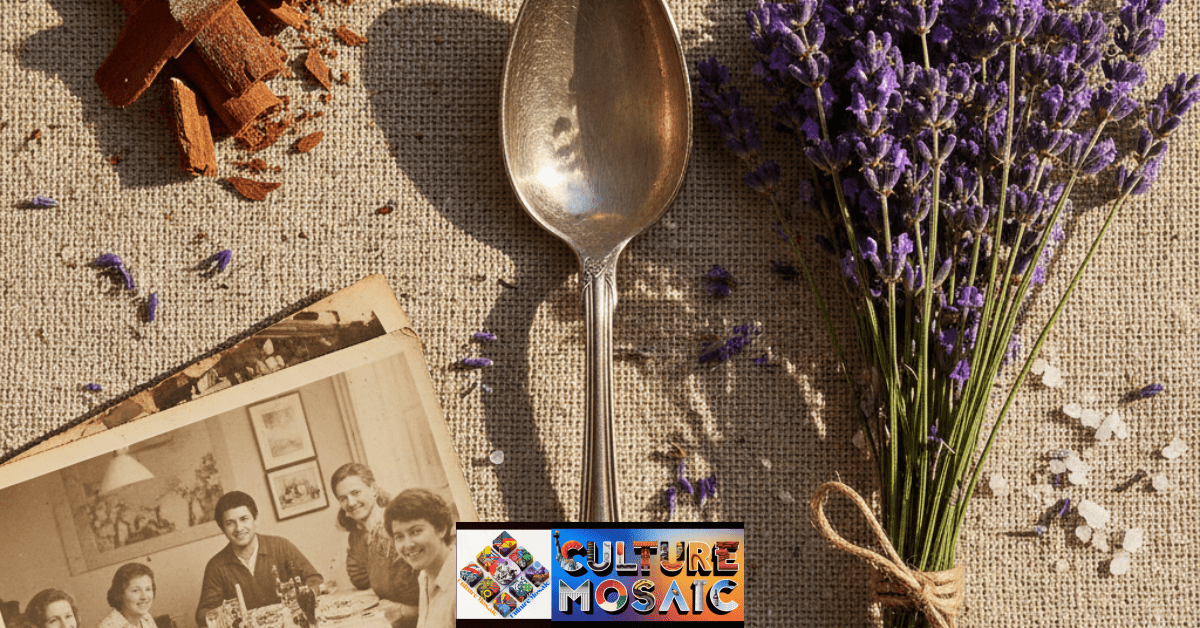
These intergenerational storytelling prompts work because smell, sound, and texture pull people right back into memories.
What did your grandmother’s kitchen smell like?
This one question opens everything up. Was it yeast and flour? Coffee on the stove? Cigarette smoke? Each smell brings an entire world with it. Who gathered there? What they ate. Whether there was enough money for extras.
What did your clothes feel like when you were a kid?
Rough wool that scratched. Starched Sunday dresses. Hand-me-downs that never fit quite right. The answer tells you about money and pride and what mattered to a family.
What did you hear when you woke up in the morning?
Factory whistles. Roosters. Parents fighting. Siblings breathing in the next bed. Traffic. Nothing but silence. Morning sounds map an entire way of life.
What’s the first fancy food you ever tasted?
Chocolate after the war ended. Pizza for the first time. A meal at a restaurant. These moments mark when things changed for a family.
Intergenerational Storytelling Prompts About Moving
Almost every family moved somewhere at some point. These intergenerational storytelling prompts help you understand what that actually felt like.
What’s the first thing you noticed in the new place?
The weather. How people stared. The food. The language. That first observation shows you what mattered most and what it felt like to be an outsider.
What did you leave behind when you moved?
Not just stuff. What language did they stop speaking? What friends did they never see again? What traditions disappeared?
How did people treat you when you first arrived?
This gets at the real experience. Were people welcoming? Hostile? Suspicious? Indifferent? It’s often harder to talk about than the move itself.
What from the old place do you still miss?
Some people miss landscapes. Others miss community. Some miss specific foods or just hearing their language everywhere.
Intergenerational Storytelling Prompts About Tough Times
These intergenerational storytelling prompts get into harder territory. Go slow here. Don’t push.
Tell me about a time you had to be brave when you were scared.
Standing up to bullies. Making an unpopular choice. Protecting someone. These stories teach that courage means acting despite fear.
What happened the day everything changed?
A war is starting. An accident. A death. A diagnosis. Bankruptcy. These stories show what your family does under pressure.
What did failure teach you?
This one normalizes struggle. It shows that setbacks aren’t endings. It permits you to fail because your family survived their failures.
Who helped you when you couldn’t manage alone?
These stories map community and support. They show that asking for help is a strength, not a weakness.
Intergenerational Storytelling Prompts About Technology
Your grandparents watched the world completely transform. These intergenerational storytelling prompts capture that.
What invention amazed you most?
Television. Microwaves. ATMs. Computers. Cell phones. The answer depends on when they were born. But the amazement is universal.
What technology did you refuse to learn?
Everyone resists something. Computers. Smartphones. Social media. Understanding the resistance shows what they feared losing.
How did you stay in touch with distant family before phones?
Letters that took weeks. Expensive long-distance calls for emergencies only. Years between visits. The answer makes you appreciate how easy connection is now.
What got easier in your lifetime, and what did we lose?
Washing machines saved hours, but ended communal laundry time when women talked and supported each other. Every convenience trades something.
Intergenerational Storytelling Prompts About Culture
These prompts help you understand where your family’s values came from.
What holiday mattered most when you were growing up?
Religious holidays. Harvest festivals. Birthdays. The answer shows what the community meant and what the family prioritized.
What tradition died out, and what tradition survived?
Some practices fade. Others persist across generations. Understanding which ones survived and why reveals choice and resilience.
What language did your grandparents speak?
And what happened to it? Language loss tells stories about assimilation, pride, and practical necessity.
What cultural thing embarrassed you as a kid but makes sense now?
This captures the tension between fitting in and honoring difference. Cultural pride often comes with age and perspective.
Intergenerational Storytelling Prompts About Love
These intergenerational storytelling prompts remind you that your grandparents were once young, uncertain, and passionate.
How did you decide that you wanted to wed your partner?
Or why did you decide not to marry someone? This covers courtship, choice, arranged marriages, and changing norms around love and independence.
Tell me about a friendship that changed you.
Friends shape us deeply. These stories reveal loyalty, betrayal, support, and chosen family.
What relationship advice do you wish you’d gotten earlier?
This invites hard-earned wisdom. It also reveals regrets and insights about what actually matters over time.
When did someone truly understand you?
Deep connection is rare. These stories celebrate intimacy and what it takes to be fully known.
Intergenerational Storytelling Prompts About Work
Big historical events matter, but so do ordinary days. These intergenerational storytelling prompts capture normal life.
What was your first paying job?
And what did you do with the money? The answer reveals family circumstances and the transition to adulthood.
Walk me through a normal Tuesday when you were 25.
Morning routine. Work. Evening. This captures the structure of days before smartphones changed everything about time.
What work did you want to do versus what you actually did?
The gap between dreams and reality tells stories about opportunity, barriers, and finding meaning anyway.
Tell me about someone at work who taught you something important.
Coworkers and bosses shape us. These stories reveal leadership and how to navigate people.
Actually Recording These Stories in 2026

You don’t need fancy equipment. You need your phone and commitment.
Just Use Your Phone
Your phone’s voice recorder works perfectly. Or use Otter.ai if you want automatic transcription. But honestly, the built-in recorder is fine.
Remento is good if your relative doesn’t use technology. They call a number, answer weekly intergenerational storytelling prompts by talking, and you get transcripts automatically. Your grandparent doesn’t need apps or passwords. They just call and talk.
QR Codes in Photo Albums
Here’s something cool. Create QR codes that link to audio recordings. Stick them in your family photo album next to pictures. Future generations can scan the code with their phone and hear your grandmother explaining the story behind the photo.
You can make these codes free online. Print them. Stick them in albums. It connects physical memories to digital recordings beautifully.
StoryWorth Makes It Easy
StoryWorth sends weekly intergenerational storytelling prompts via email. Your relative answers however they want. Typing. Voice recording. Writing on the website.
Responses get shared with family. At year’s end, everything becomes a hardbound book. No apps. No complexity. Just prompts and responses are building into something permanent.
Video on Your Phone
Don’t overthink the video. Your phone shoots good enough quality. Set it somewhere, press record, and have a conversation.
Twenty years from now, you won’t care about lighting or editing. You’ll care that you captured voices and expressions while you could.
Handling Difficult Family Stories
Not everything in family history is happy. Real families have trauma, conflict, addiction, abuse, poverty, and discrimination.
How you approach hard topics determines whether important stories get told or stay hidden.
Start with easy topics. Happy memories first. Favorite foods. Funny stories. Build trust before moving to complex themes.
Respect boundaries completely. If someone hesitates or changes subjects, honor that. You can try again later or accept that some stories aren’t ready.
Let emotions happen. When people cry or get angry, don’t rush to comfort them. Sit with it. Acknowledge it. Give it space.
Think about who accesses these stories. Some things need to stay sealed until certain people pass away. You can record sensitive material with instructions to restrict access. Truth matters, but so does protecting the living.
Explain the historical context to kids. Teenagers don’t know about segregation or the Depression or wartime rationing. Explain these realities when they come up. Context turns confusion into understanding.
Just Start Already
You know why this matters. You know how to do it. The hard part is actually starting.
Pick three stories. That’s it. Just three you want to save. Schedule time to record them. Three successful recordings build momentum.
Make it regular. Monthly dinners with story time. Weekly calls using one intergenerational storytelling prompt. Annual gatherings where everyone shares. Consistency beats intensity.
Include everyone. Teenagers can record and edit. Kids can draw pictures of stories they hear. Adults can bridge generations.
Start now. Not when your schedule clears. Not when you feel ready. Now. Your elderly relatives won’t get younger. The best time to start was five years ago. The second-best time is today.
You don’t need perfection. You need preservation.
Every story you capture won’t disappear. Every voice you record is a gift to people not yet born.
Your family’s stories are waiting. These intergenerational storytelling prompts are ready. All you need is to begin.
Stop planning. Stop waiting. Pick up your phone. Choose one prompt. Ask someone today.
Because next year, you might not get the chance.
Questions People Ask About Intergenerational Storytelling Prompts
What if my grandparent doesn’t want to talk?
Start with topics they enjoy. Hobbies. Happy memories. Don’t push about sensitive stuff. Old photos sometimes help. Always respect their comfort level. Good intergenerational storytelling prompts should feel like conversation, not interrogation.
How long should these conversations be?
Twenty to thirty minutes for the first few times, especially with elderly people who tire easily. You can always come back. Short regular conversations using intergenerational storytelling prompts work better than occasional long interviews.
What technology works for people who hate technology?
Phone calls. That’s it. Services like Remento let people call a number and talk. No apps. No passwords. Or just use your phone’s voice recorder. Keep it simple when using intergenerational storytelling prompts with older people.
Should I correct wrong details in stories?
Be careful here. Memory isn’t perfect. Different people remember events differently. You can note differences without challenging someone’s experience. Sometimes, emotional truth matters more than factual accuracy with intergenerational storytelling prompts.
How do I handle family secrets?
Talk about access before recording sensitive material. Some stories can be recorded but sealed until certain people die. Balance honesty with harm. Give storytellers control over what gets shared when, even with intergenerational storytelling prompts about hard subjects.