
 By admin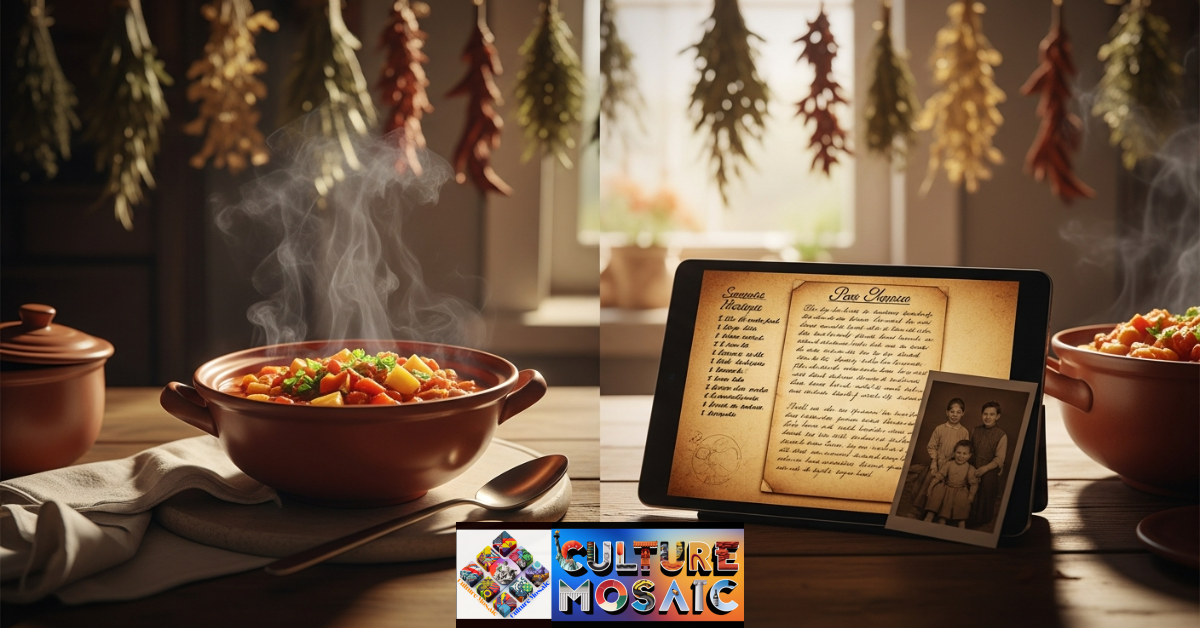
The smell of cumin toasting in a pan can transport you back three generations. That’s the power of ancestry-driven cooking. It’s not about following trendy food movements or impressing dinner guests. It’s about understanding who you are through the food your family has always made.
My grandmother never measured anything. She’d pour spices into her palm, taste the sauce with a wooden spoon, and somehow create the same perfect dish every time. When she passed away, I realized I’d never written down a single recipe. That moment changed how I think about food and family.
What Is Ancestry-Driven Cooking?
Ancestry-driven cooking means preparing the dishes your family has made for generations. It’s cooking that connects you to your roots, your culture, and the people who came before you. This isn’t about being a perfect chef or recreating restaurant-quality meals. It’s about keeping traditions alive in your own kitchen.
When you practice ancestry-driven cooking, you’re doing more than making dinner. You’re preserving history. Every time you make your grandfather’s stew or your aunt’s bread, you’re keeping their memory alive. You’re teaching your children where they come from. You’re maintaining a thread that connects past, present, and future.
Why People Are Turning to Ancestral Recipes Now

Something’s shifted in how we think about food. People are tired of eating the same things available everywhere. We’re craving connection, authenticity, and meaning. Ancestry-driven cooking offers all three.
In 2026, you can get almost any cuisine delivered to your door. But that convenience has made us realize what we’ve lost. The specific way your mother folded dumplings. The exact sweetness of your grandmother’s tea. The particular crunch of vegetables pickled according to a family recipe that nobody wrote down.
Young people, especially, are turning to ancestry-driven cooking because they feel disconnected from their heritage. They grew up eating convenient food, and now they’re wondering what their great-grandparents ate. They want to know the stories behind the dishes. They want to taste the flavors that shaped their family’s identity.
Finding Your Family’s Lost Recipes
Starting with ancestry-driven cooking can feel overwhelming, especially if nobody wrote anything down. Here’s the truth: most family recipes were never formally recorded. They lived in muscle memory, in casual comments while cooking together, in the way someone’s hand moved when adding salt.
If you still have older relatives, talk to them now. Don’t wait. Ask them to cook with you while you record everything. Use your phone to video the entire process. Pay attention to the things they don’t say out loud because those details matter most.
Watch how they test if the oil is hot enough. Notice when they taste and adjust. See how they know something’s done without checking a timer. This knowledge is ancestry-driven cooking in its purest form, and it disappears when people pass away.
The Kitchen as Your Family Archive

Your kitchen holds more history than you realize. Old cookbooks with notes in the margins. Recipe cards with ingredient stains. That one pot your mother always used for specific dishes. These aren’t just objects. They’re archives of your family’s life.
I found my grandmother’s recipe box after she died. The cards inside were barely readable, written in faded pencil with measurements that made no sense. “Cook until it looks right.” “Add enough flour.” “You’ll know when it’s ready.” These vague instructions initially frustrated me. Now I understand they were teaching me to cook like she did, using intuition rather than precision.
Ancestry-driven cooking often means decoding these cryptic notes. It means figuring out what “a handful” meant to someone with different-sized hands than yours. It means learning that “the good olive oil” referred to a specific brand that doesn’t exist anymore. The detective work is part of the practice.
Forgotten Ingredients Matter More Than You Think

Here’s where ancestry-driven cooking gets interesting. Your family probably used ingredients you can’t easily find anymore. Industrial farming eliminated thousands of plant varieties. The exact type of rice, wheat, or beans your ancestors cooked with might not exist in regular stores.
This matters because ingredients define dishes. You can follow a recipe perfectly, but if you’re using different ingredients, you won’t get the same result. The tomatoes your grandfather grew tasted different from supermarket tomatoes. The wheat your great-grandmother ground into flour had different properties than modern flour.
Some people practicing ancestry-driven cooking have become ingredient detectives. They search for heirloom seeds. They find specialty importers who carry traditional grains. They connect with farmers who grow heritage vegetables. It’s extra work, but it gets them closer to authentic flavors.
How Traditional Cooking Methods Improve Your Health

Your ancestors weren’t thinking about gut health when they fermented vegetables. They were trying to preserve food through the winter. But it turns out those traditional preservation methods create incredibly healthy food.
Ancestry-driven cooking naturally includes fermentation, which is huge for digestive health. Sauerkraut, kimchi, pickled vegetables, sourdough bread—these foods populate your gut with beneficial bacteria. Modern science is finally catching up to what traditional cooks have known for centuries.
The same goes for other traditional techniques. Slow cooking tough cuts of meat extracts nutrients from bones. Soaking grains and beans before cooking makes them easier to digest. Using the whole animal or vegetable, not just the premium parts, provides a broader range of nutrients.
When you practice ancestry-driven cooking, you’re usually eating healthier by default. Traditional diets evolved over generations to work with human digestion and local ecosystems. They weren’t designed in laboratories or optimized for profit margins.
Regional Specificity Makes All the Difference
Saying you cook “Mexican food” or “Italian food” isn’t specific enough for ancestry-driven cooking. Your family didn’t cook generic national cuisine. They cooked the food from their specific region, village, or neighborhood.
This is what people call hyper-regionality. It’s not just rice. It’s the particular variety grown in your family’s province. It’s not just pasta. It’s the shape made in your grandmother’s village for specific celebrations.
Ancestry-driven cooking requires this precision because regional differences matter. Coastal communities cooked differently from mountain communities, even in the same country. Agricultural regions had different food from industrial cities. Your family’s food reflects their specific circumstances, environment, and history.
When You Don’t Have Direct Family Recipes
Not everyone has access to their family’s cooking traditions. Adoption, family estrangement, displacement, and cultural disruption create gaps. If this is your situation, ancestry-driven cooking is still possible, but it looks different.
Some people research the broader culinary traditions of their genetic or cultural background. They learn regional cooking styles even without specific family recipes. Others use DNA testing to identify their heritage regions, then study those areas’ traditional foods.
This approach to ancestry-driven cooking requires humility. You’re reconstructing rather than continuing. You’re learning from communities rather than from your grandmother. That’s legitimate and valuable, but it’s important to be honest about your relationship to the tradition.
Teaching Kids Through Ancestral Cooking
If you have children, ancestry-driven cooking is one of the best gifts you can give them. It teaches practical skills, connects them to their family history, and gives them a sense of identity.
Let kids actually cook, not just watch. Let them make mistakes. The goal isn’t perfect execution. It’s an engagement with the tradition. They’ll remember the time you made their great-grandfather’s cookies together, even if the cookies burned.
Tell stories while you cook. Explain who created this dish and why. Describe what their life was like. Make ancestors feel like real people, not distant historical figures. When kids understand the humans behind the recipes, they care about preserving them.
The Technology Question in Ancestral Cooking
Should you use modern appliances when practicing ancestry-driven cooking? There isn’t a one-size-fits-all answer, but it’s important to consider the question.
Technology changes results. Hand-chopped vegetables have different textures from food processor vegetables. Wood fires create different flavors than electric stoves. Traditional slow fermentation differs from temperature-controlled modern methods.
Most people find a balance. They use modern convenience for everyday cooking but stick with traditional methods for special dishes. The important thing is making conscious choices. If you decide that certain techniques matter enough to do by hand, honor that. If you think your ancestors would have happily used food processors, use them.
Ancestry-driven cooking allows for individual interpretation. It’s about connection, not rigid historical reenactment.
Food Sovereignty and Cultural Respect
Ancestry-driven cooking intersects with bigger questions about who controls food traditions. Some dishes carry sacred meanings. Some belong to specific communities or ceremonies. Not everything should be freely shared or adapted.
If you’re exploring culinary traditions outside your own heritage, approach them with respect. Learn from community members. Understand historical context. Recognize that enthusiasm doesn’t equal entitlement.
This matters even within your own family’s traditions. Some recipes might be meant for specific occasions. Some knowledge might have been carefully guarded. Part of ancestry-driven cooking is understanding these boundaries and honoring them.
Documenting Recipes for Future Generations
The recipes you preserve today become someone else’s heritage tomorrow. Document everything you can, in multiple formats.
Write clear instructions, but also video the cooking process. Videos capture details that written recipes can’t convey. The sound of proper simmering. The color that means it’s ready. The way hands move through familiar motions.
Include stories with your recipes. Explain who cooked this dish and when. Describe the occasions when it appeared. Note any adaptations you’ve made and why. Future cooks will benefit from understanding your thinking, not just your actions.
Ancestry-driven cooking is always evolving. The traditions you’re preserving today will continue changing. That’s natural and appropriate. Leave notes that help the next generation make their own informed choices.
Building Community Around Shared Heritage
You don’t have to practice ancestry-driven cooking alone. Online communities connect people researching similar culinary traditions. Local organizations host cooking workshops and cultural events. These connections enrich everyone’s understanding.
Share what you learn. Your family’s food story might help someone else piece together their own history. That mystery ingredient in your grandmother’s recipe might be the breakthrough someone’s been searching for.
Ancestry-driven cooking creates community because food is inherently social. When you make your family’s traditional dishes and share them with others, you’re participating in a cultural exchange that has happened for thousands of years.
Starting Your Ancestry-Driven Cooking Journey Today
You don’t need special equipment or expertise to begin ancestry-driven cooking. Start simple. Pick one dish you remember from childhood. Ask a relative how to make it. Try recreating it in your own kitchen.
Accept that your first attempts might not match your memories. That’s normal. Cooking is a skill that improves with practice. Your grandmother made that dish hundreds of times. Permit yourself to learn gradually.
Keep notes on what works and what doesn’t. Record your attempts. Adjust recipes based on available ingredients. The goal isn’t museum-quality recreation. It’s maintaining a living tradition that adapts to current circumstances while honoring its roots.
Ancestry-driven cooking transforms ordinary meals into acts of remembrance and cultural preservation. Every time you cook your family’s food, you’re doing something meaningful. You’re keeping people alive in memory. You’re teaching the next generation who they are. You’re maintaining threads of connection that span generations.
The Living Tradition Continues
The beauty of ancestry-driven cooking is that it never stops evolving. Your adaptations and innovations become part of the tradition you’re building. The shortcuts you discover, the substitutions you make, the new occasions when you serve old dishes—all of this creates the heritage your grandchildren will practice.
Don’t get paralyzed by authenticity concerns. Your ancestors weren’t museum pieces. They adapted, innovated, and made choices based on their circumstances. Honor them by doing the same. Cook their recipes with respect and care, but also with freedom to make them your own.
Ancestry-driven cooking is ultimately about connection. Connection to people you loved. Connection to the places your family came from. Connection to flavors, stories, and traditions that define who you are. Every meal is an opportunity to strengthen those connections and pass them forward.
Frequently Asked Questions
What exactly is ancestry-driven cooking?
Ancestry-driven cooking is making the dishes your family has prepared for generations. It connects you to your heritage through traditional recipes, ingredients, and cooking methods that have been passed down through your family line.
How do I find my family’s recipes if nobody wrote them down?
Interview older relatives while you can, and video them cooking. Pay attention to techniques, not just ingredients. Join online communities where people share similar heritage cooking traditions. Research regional cuisines from areas where your family originated.
Can I practice ancestry-driven cooking without knowing my biological family?
Yes. You can research the culinary traditions of your cultural or genetic heritage regions. Many adoptees and others find meaning in connecting with broader food traditions, even without specific family recipes. The practice is about building connection, not perfection.
Why is ancestry-driven cooking becoming so popular now?
People are craving authentic connection in an increasingly homogenized food culture. Younger generations want to understand their heritage. Traditional cooking methods align with modern health awareness. The trend reflects a broader desire for meaning and identity through food.
Do I have to cook exactly like my ancestors did?
No. Ancestry-driven cooking allows for adaptation. Use modern appliances if helpful. Substitute ingredients when necessary. The goal is to maintain a connection to traditions while adapting them to your current life. Your ancestors innovated, too, and you can honor them by doing the same thoughtfully.