
 By Culture Expert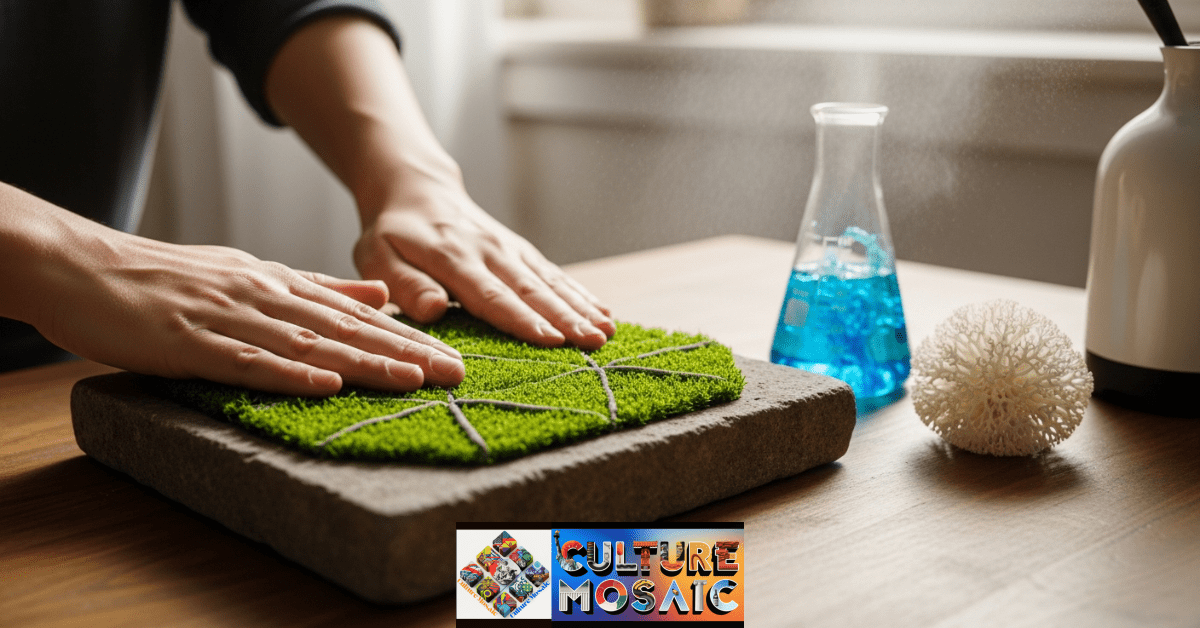
Three weeks into my first moss graffiti attempt, I was convinced I’d failed. The wall looked like someone had thrown up green smoothie on it. Then week four hit, and tiny green threads started spreading. By week six, I had actual living graffiti. That waiting period? That’s when I got it. Mindful bio-art projects aren’t about the finished piece. They’re about learning to exist in biological time.
You’re working with stuff that breathes. Grows. Dies when it wants to, not when you’re done with it. Try controlling that. You can’t. And that’s exactly why mindful bio-art projects work for people who are tired of everything moving too fast.
The Brain Science Behind Mindful Bio-Art Projects
I’m not selling snake oil here. There’s actual research backing this up.
Dirt Has Antidepressant Properties
Sounds made up, right? But when you dig into mindful bio-art projects with soil and moss, you’re exposing yourself to Mycobacterium vaccae. It’s a soil bacterium that researchers have linked to serotonin production. The hygiene hypothesis suggests we’ve sanitized ourselves into sadness. Getting your hands dirty with mindful bio-art projects might help reverse that. Might. I’m not your doctor.
Natural Patterns Calm Your Exhausted Eyes
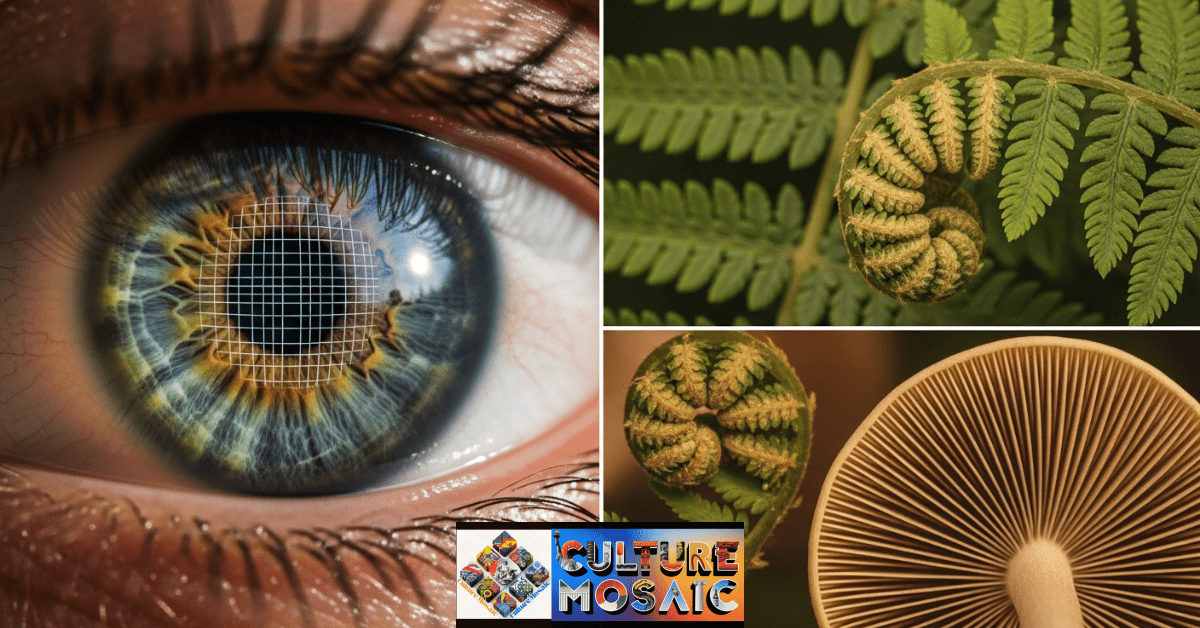
You’ve been staring at rectangles all day. Phone screen. Computer monitor. TV. Your eyes are tired of geometry. Mindful bio-art projects give you fractals instead—the branching patterns in mycelium, the irregular spread of moss. Your brain evolved to process these patterns. Researchers call it fractal fluency. I call it finally giving my eyes something they actually want to look at.
Supplies for Mindful Bio-Art Projects
You don’t need much. That’s part of why mindful bio-art projects work for regular people.
Living Pigments
Your paint is alive now. Chlorella algae for green. Certain bacteria for pinks and yellows. The strange part about mindful bio-art projects using living pigments? They keep changing after you apply them. The art never stops becoming.
Whatever You Can Grow Stuff On
I’ve built mindful bio-art projects on driftwood, cardboard, old picture frames, and broken pottery. If you have access to a 3D printer, biodegradable cornstarch structures are perfect. But moss doesn’t judge your materials budget.
Moisture Sensors: If You Want Them
Ten-dollar soil sensors from Amazon work fine. Some glow when your mindful bio-art projects need water. You don’t need them, but they help when you’re learning what “too dry” looks like.
12 Mindful Bio-Art Projects Organized by Your Patience Level Today
Some days you have patience. Other days you don’t. Pick your mindful bio-art projects accordingly.
Mindful Bio-Art Projects That Require Waiting
These take weeks. Only start them when you’re ready, so as not see results immediately.
Moss Graffiti
The classic. Blend moss, buttermilk, and water. Paint it on brick or concrete. Mist it daily for a week. Then wait roughly a month while it looks terrible. This is the mindful bio-art project that teaches you to trust the process because you literally can’t see the process happening.
Two handfuls of moss, two cups of buttermilk, two cups of water. That’s it. Paint on a shaded wall. The moss will either establish or it won’t, and you can’t force the outcome.
Mycelium Sculpture
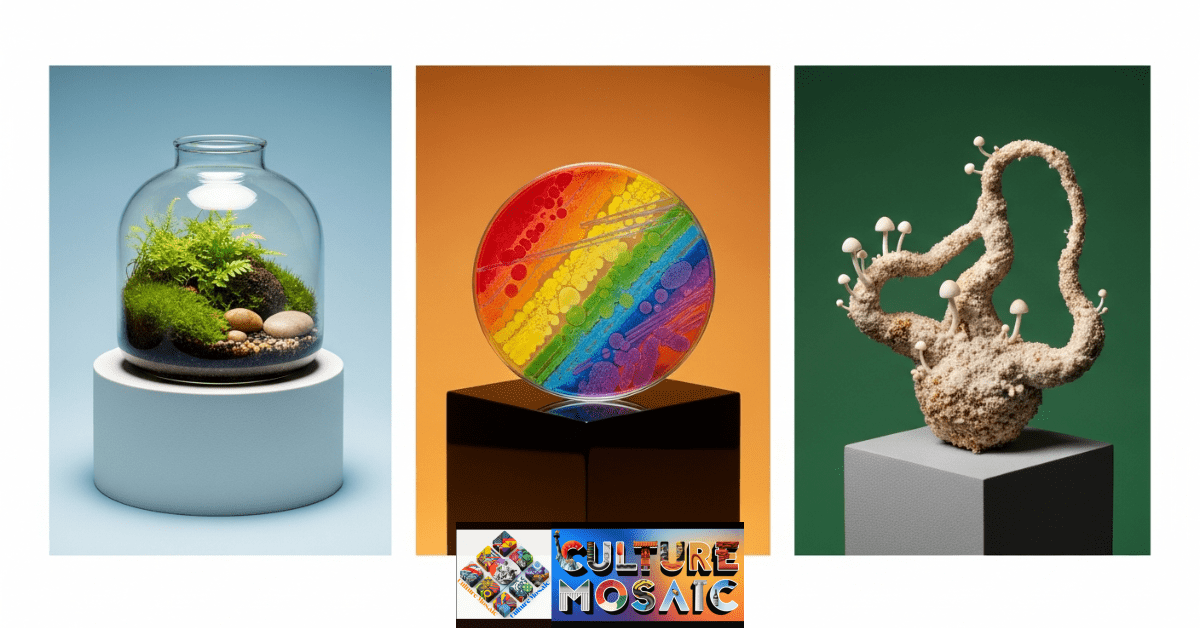
Pack mushroom spawn into substrate, stuff it in a mold, and wait three weeks. Pull out a white coral-like sculpture made entirely of fungal threads. Of all the mindful bio-art projects I’ve tried, this one most clearly shows you that something incredible is happening in the dark where you can’t see it.
The mycelium is building the same network that connects trees in forests. You’re just making it visible.
Self-Contained Terrariums
Layer rocks, charcoal, soil, moss, and small plants in a jar. Seal it. It creates its own rain cycle. This mindful bio-art project builds a whole ecosystem you can hold. Check it every day if you want, but don’t open it. Just watch it breathe.
Time-Lapse Documentation
Point a phone at your other mindful bio-art projects. Take a photo every few hours for a month. Compress 30 days into 30 seconds. Watching mycelium branch in fast-forward does something to your perception of time that I can’t quite explain. You just have to see it.
Mindful Bio-Art Projects That Keep Your Hands Busy
These focus on touch and the satisfaction of making something with your hands.
Seed Mandalas in Clay
Roll out air-dry clay. Press beans, grains, and seeds into geometric patterns. It’s like meditation that produces something you can plant later. Among mindful bio-art projects, this one hits the sweet spot between creating and growing.
Your hands stay busy. Your mind gets quiet. Then you plant the whole mandala, and it becomes a pollinator garden.
Kombucha SCOBY Leather
Feed the kombucha culture sweetened tea every day for two to three weeks. The bacteria produce cellulose on hemp fabric, creating translucent bio-leather. This is one of the weirder mindful bio-art projects, but the daily feeding ritual gets addictive. You’re keeping something alive while it makes art.
It smells like vinegar and looks like alien skin. I love it.
Bacterial Paintings
Buy a culture kit online. Streak colored bacteria onto agar plates. They multiply overnight and intensify into vivid patterns. For mindful bio-art projects, this gives the fastest visible results—hours instead of weeks.
Just use basic sterile technique. Clean your tools. Don’t leave plates open. The bacteria are harmless, but you still don’t want contamination.
Clay Forms with Living Moss
Sculpt clay into whatever shape you want. Press live moss into the wet clay’s crevices. Mist it while the clay dries. The clay stays forever. The moss changes with the seasons. These mindful bio-art projects balance your control with nature’s unpredictability perfectly.
Mindful Bio-Art Projects That Make Light
These create glow and visual calm.
Bioluminescent Algae Globes
Grow dinoflagellates in a sealed glass sphere. Swirl it at night. It glows blue. This is the most purely magical of all mindful bio-art projects. The blue light is just biology responding to movement—no batteries, no LEDs, just living organisms making light.
They need sunlight during the day and occasional nutrients. At night, every swirl traces blue patterns in the water. It’s hypnotic.
Algae Light Installations
Grow green algae in clear bottles. Arrange them where sunlight hits. The light filtering through creates living stained glass that gets brighter as the algae multiply. Feed weekly. Watch the light change. These mindful bio-art projects turn windows into breathing canvases.
Mushroom Growth on Display
Put mushroom grow bags in clear containers where you can watch them. Most people hide mushroom cultivation. Make it the art instead. Among mindful bio-art projects, this one has the most dramatic overnight changes—oyster mushrooms can literally double in size while you sleep.
Watch mycelium colonize grain. Watch pins form. Watch fruiting bodies explode into full mushrooms. The speed surprises you every time.
Fermentation Jar Installations
Ferment vegetables in clear jars. Red cabbage makes purple brine. Golden beets make amber. Arrange multiple jars as a color study that bubbles and shifts. These mindful bio-art projects engage smell and sound along with sight. You hear fermentation. You smell the bacteria working.
Plus, you can eventually eat the art. That’s a completion ritual right there.
Making Care Into Practice
The maintenance is the meditation in mindful bio-art projects. That’s not a side effect—it’s the point.
Sync Misting with Breathing
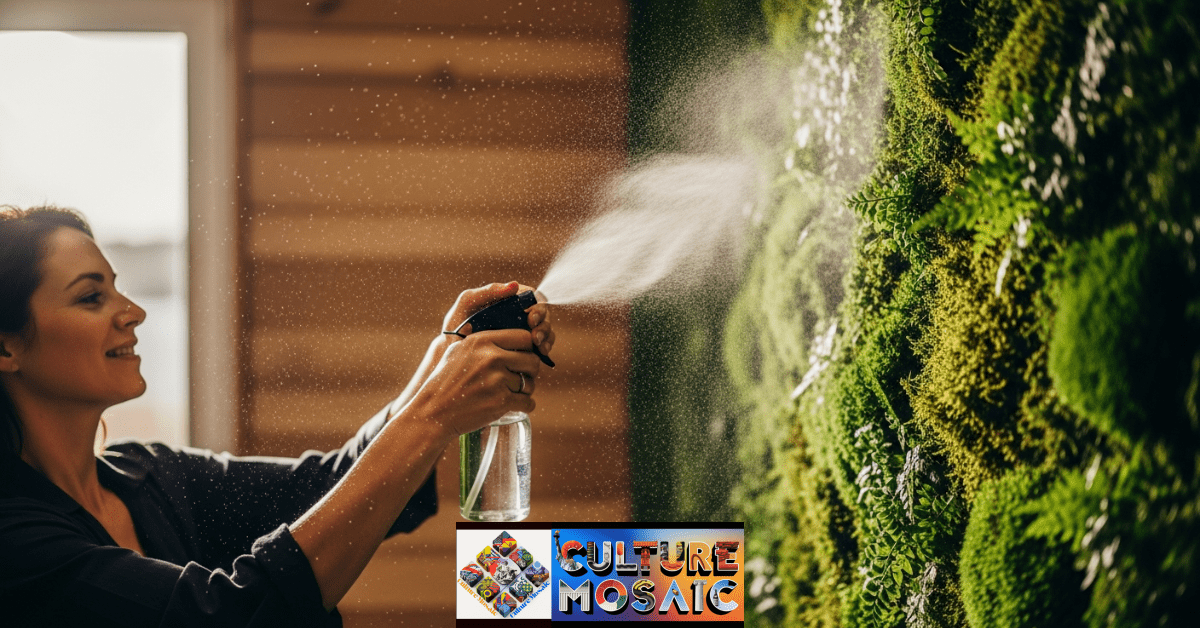
Pump the sprayer on your inhale. Let the mist settle on your exhale. Do this for two minutes every morning. You just meditated without downloading an app. This is my favorite daily ritual in all mindful bio-art projects.
Three-Thing Observation Journal
Every night, write down three changes you notice in your mindful bio-art projects. Moss spreading. New mycelium threads. Algae is getting darker. Doesn’t matter how small. This trains attention better than most mindfulness exercises I’ve tried.
The journal also tracks both your art’s growth and your own increasing ability to notice details.
Feeding as Gratitude
When you feed nutrients to your mindful bio-art projects, say thanks out loud to the organisms. Sounds ridiculous. Do it anyway. Acknowledging that you’re collaborating with living things changes how you approach everything.
Why Mindful Bio Art Projects Help Mental Health
Real benefits exist here. Not cure-alls, but actual measurable improvements.
Living Things Lower Your Stress Hormones
Horticultural therapy studies show that contact with living organisms drops cortisol levels. Mindful bio-art projects intensify this because you’re not just caring for plants—you’re creating art with living materials. The daily responsibility provides structure that helps with anxiety.
Perfectionism Meets Its Match
You can’t perfect mindful bio-art projects. The organisms do what they want. Moss grows where it wants. Mycelium branches in its own patterns. This forced acceptance of imperfection actually helps people who struggle with control issues. I know because I’m one of them.
Biological Speed Breaks Phone Addiction
Nothing about mindful bio-art projects happens fast. You can’t scroll through mycelium growth. You can’t binge-watch moss spreading. The enforced slowness pulls you away from screens without you even trying.
When Things Go Wrong with Mindful Bio-Art Projects
Failure happens. Here’s what to do.
Moss That Dies
Too much sun? Move it to shade. Too dry? Mist more often. Blended too fine? Use bigger moss chunks next time. Every failed attempt teaches you what the organisms need. That’s part of how mindful bio-art projects work.
Contamination in Cultures
Something unwanted will eventually grow in your mindful bio-art projects. Sometimes it looks cool. Sometimes you have to start over. Either way, you learned something about sterile technique and environmental conditions.
When Growth Gets Out of Control
Your moss spreads too far. Your mycelium escapes containment. Trim it back. This is the lesson in letting go that mindful bio-art projects keep trying to teach you. Growth requires editing.
Being Responsible with Mindful Bio Art Projects
Don’t damage ecosystems to make art.
Take Moss Carefully
Harvest small amounts from large colonies. Leave most of it behind so populations recover. Or just buy cultivated moss. Your mindful bio-art projects shouldn’t hurt wild habitats.
Compost When You’re Done
Finished projects go in the compost. The organisms continue their cycle. This ending ritual respects what you collaborated on during your mindful bio-art projects.
Stick with Local Species
Use organisms native to your area. They thrive more easily and won’t become invasive. Research local options before starting mindful bio art projects.
FAQs
Q: Do I need science knowledge for mindful bio art projects?
A: No. You need curiosity and patience. That’s it. Plenty of people doing mindful bio-art projects have zero science background. Start with something simple like moss graffiti.
Q: How much time do mindful bio-art projects take daily?
A: Five to ten minutes. Misting, looking, feeding. The point is showing up consistently, not spending hours. That’s how mindful bio-art projects build routine.
Q: Can I do mindful bio art projects in a small apartment?
A: Yes. Terrariums, bacterial art, and small mycelium work perfectly indoors. Lots of people create mindful bio-art projects entirely on windowsills.
Q: What happens when my bio-art dies?
A: It will eventually. That’s part of it. Every death in your mindful bio-art projects teaches you about what organisms need. The temporary nature is the whole point.
Q: Are mindful bio-art projects safe to do at home?
A: Yes, when you use reputable suppliers and wash your hands. Don’t work with mystery bacteria from outside. If you have immune system issues, talk to your doctor before starting mindful bio art projects.
Mindful bio-art projects won’t solve all your problems. But they give you something screens can’t—a reason to slow down and pay attention to processes you can’t control. Start with one project. Keep it small. Let the moss, mycelium, or algae teach you their rhythm. The art is just what’s left over after you learn patience.
 Dr. Julian Thorne